


close
Choose Your Site
Global
Social Media
Views: 0 Author: Site Editor Publish Time: 2025-12-30 Origin: Site


Did you know that surface finishing can make or break the performance of CNC machined parts? Whether it's enhancing durability or improving aesthetics, the right finish is crucial.
In this article, we will dive into the various surface finishing techniques for CNC machined parts. You will learn how to choose the right method and understand its impact on part performance and appearance. By the end, you'll have a clearer idea of how surface finishing plays a pivotal role in CNC machining.
Surface finishing refers to the process of improving the surface quality of CNC machined parts after the primary cutting or shaping operation. This step is essential for improving the part's appearance, surface texture, corrosion resistance, and wear properties. It ensures that the final product not only meets functional requirements but also looks aesthetically pleasing and is easy to handle.
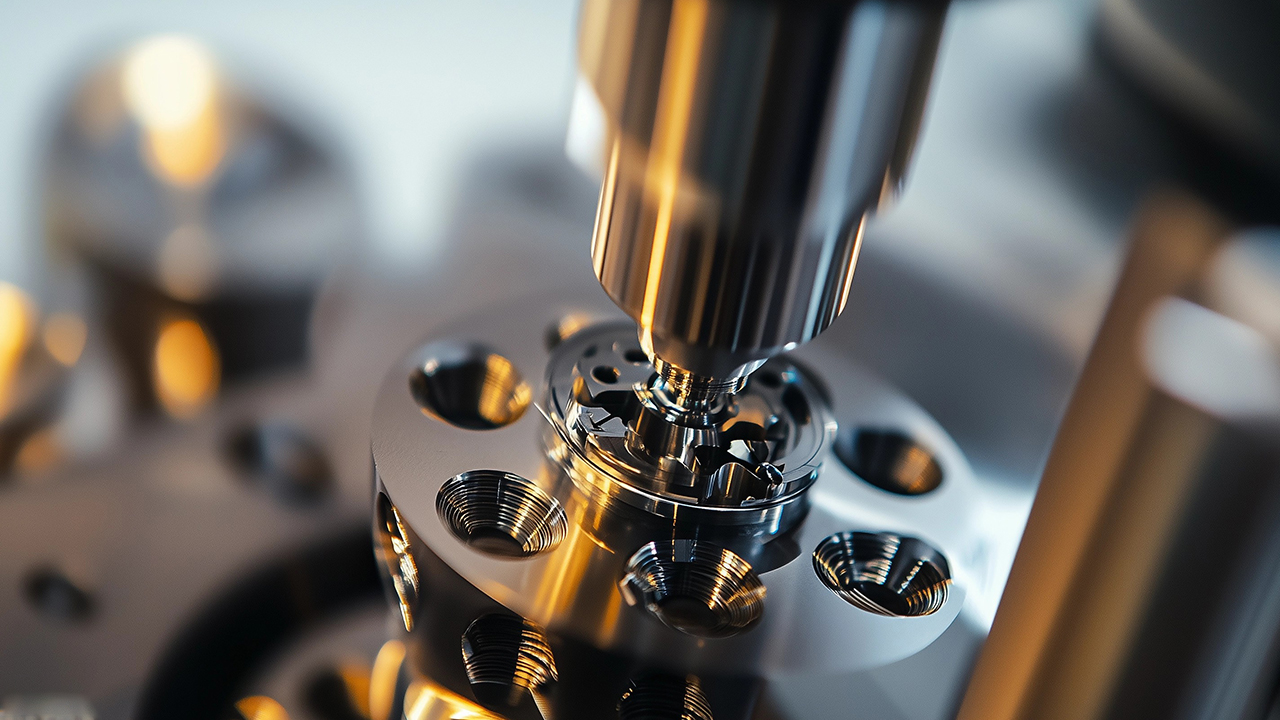
Several surface finishing techniques can be employed, depending on the material type and desired results. Common methods include polishing, anodizing, coating, and electroplating. Each method has specific advantages and is suited for particular applications.
Surface finishes can affect a part's durability, resistance to wear, and its ability to withstand environmental conditions like moisture and chemicals. The finish you select can significantly influence the part's performance, especially in critical industries like aerospace, automotive, and medical.
Tip: The right surface finish can make a substantial difference in the longevity and functionality of CNC machined parts.
Polishing is a process that smooths the surface of a part, making it reflective and free of imperfections. It's commonly used to improve the visual appeal of parts and is particularly important in industries where aesthetics are a priority. Polishing also reduces surface roughness, which can improve wear resistance and reduce the risk of material fatigue.
Anodizing is an electrochemical process that creates a protective oxide layer on metals like aluminum. This finish improves corrosion resistance, wear resistance, and electrical insulation properties. Anodized parts also have a more attractive appearance, especially when dyed.
Powder coating is a dry finishing process where a powder is applied to the surface of a part and then cured using heat. It provides a hard, durable finish that resists chipping, scratching, fading, and corrosion. This method is especially effective for larger parts or those exposed to harsh environments.
Electroplating involves the application of a metal coating to a part using an electric current. It's often used to improve the surface properties of parts, such as increasing hardness or improving resistance to corrosion. Common metals used for electroplating include gold, silver, nickel, and chrome.
Tip: Electroplating can enhance both the appearance and durability of CNC machined parts, making them suitable for high-stress applications.
Surface Finish | Process Description | Benefits | Common Applications |
Polishing | Smoothing the part to a glossy, reflective finish | Enhances appearance, improves wear resistance | Decorative parts, medical devices |
Anodizing | Electrochemical process to form oxide coating | Improves corrosion resistance and surface hardness | Aluminum parts, automotive |
Powder Coating | Applying powder followed by heat curing | Provides a durable, scratch-resistant finish | Automotive, industrial equipment |
Electroplating | Metal coating using electric current | Enhances appearance and wear resistance | Jewelry, automotive, electronics |
When choosing a surface finish, several factors should be considered:
● Material type: Different materials require different finishing methods.
● Part function: The surface finish should align with the part's intended use (e.g., aesthetics vs. corrosion resistance).
● Environmental exposure: Parts exposed to harsh chemicals, moisture, or high temperatures need more durable finishes.
Consideration | Impact on Surface Finish | Key Factors to Consider |
Material Type | Different materials require different finishes | Aluminum, stainless steel, titanium, etc. |
Part Function | The finish should match the part's functional needs | Wear resistance for moving parts, aesthetics for consumer products |
Environmental Exposure | Determines the durability of the finish | Moisture, chemicals, temperature extremes |
Cost vs. Quality | Balancing finish quality with production cost | High-quality finishes like electroplating may increase costs |
Each CNC machined part has unique requirements. For example, medical devices require finishes that prevent contamination, while aerospace parts need finishes that can withstand extreme conditions. Understanding the specific needs of your part will help you select the most appropriate finish.
Surface finish can also affect part tolerance and dimensional accuracy. While some finishes add minimal thickness, others can affect the fit and function of parts. It's important to balance surface quality with the need for tight tolerances.
Surface finishing enhances the durability of CNC machined parts by increasing wear resistance. For example, anodizing or powder coating can significantly improve a part's ability to resist abrasive wear, extending its service life. This is particularly important in parts subjected to constant friction, such as gears and bearings.
The surface finish can also enhance a part's resistance to corrosion. Anodizing, electroplating, and powder coating create protective layers that prevent moisture and chemicals from damaging the surface. This is crucial in industries like medical devices or automotive, where parts are exposed to harsh environments.
The aesthetic quality of a part can be just as important as its functional properties. Polishing, anodizing, and painting can enhance the visual appeal of CNC machined parts, making them more suitable for consumer products or high-end applications where appearance matters.
Tip: For consumer-facing products, prioritize surface finishes that enhance both aesthetics and functional performance.
Laser ablation is an advanced technique where a laser is used to remove material from a surface, creating fine, intricate details. This method offers high precision and is commonly used in industries where extreme detail is required, such as in medical devices or electronics.
Abrasive blasting involves using high-pressure air or water to propel abrasives against a part's surface. This method is effective for cleaning or roughening parts, making it useful for creating textured surfaces or preparing surfaces for further finishing.
Electrochemical finishing combines chemical and electrical processes to smooth the surface of CNC machined parts. This technique is especially useful for achieving highly polished finishes on stainless steel and other hard metals.
Certain materials present unique challenges when it comes to surface finishing. For example, titanium and stainless steel require different finishing techniques than aluminum. Each material has its own properties that must be considered to achieve the best finish.
Achieving the optimal surface finish can be time-consuming and expensive. Balancing cost with quality is crucial, especially for high-volume production runs. It's important to select a surface finish that offers the best value without sacrificing performance.
Consistency is key when applying surface finishes, particularly in large-scale production. Variations in temperature, pressure, or material properties can lead to uneven finishes. Implementing strict quality control measures is essential for maintaining consistent results.
Automation is transforming surface finishing processes. Automated systems can consistently apply finishes with high precision, reducing human error and improving efficiency. This trend is particularly valuable in industries like automotive and aerospace, where precision is critical.
As industries push for more sustainable practices, green surface finishing techniques are gaining traction. Processes like water-based coatings and eco-friendly abrasives are emerging as alternatives to traditional methods that use harsh chemicals.
Additive manufacturing (3D printing) is becoming increasingly popular in CNC machining. Integrating surface finishing techniques into 3D printing processes allows for higher-quality parts with better surface properties, reducing the need for additional post-processing steps.
Surface finishing is essential for CNC machined parts to enhance durability, performance, and appearance. By selecting the appropriate finishing method, manufacturers can ensure parts meet specific functional and aesthetic requirements. Companies like Dongguan Dawang Precision Mould Co., Ltd. provide high-quality CNC machining solutions that improve both part performance and overall product value. Their expertise in surface finishing techniques ensures that parts are durable, reliable, and suited for various industries.
A: Surface finishing in CNC machining refers to post-machining processes that improve the quality, appearance, and durability of parts. It includes methods like polishing, anodizing, and coating to meet functional and aesthetic requirements.
A: Surface finishing is crucial for improving the performance, wear resistance, and corrosion resistance of CNC machined parts. It also enhances their visual appeal, especially for consumer-facing products.
A: The right surface finish depends on factors like material type, intended use, and environmental exposure. For example, anodizing is great for aluminum parts exposed to moisture, while polishing is ideal for aesthetic applications.
A: Common surface finishes include polishing, anodizing, powder coating, and electroplating. Each method has its own advantages depending on the part's material and application needs.
A: Yes, surface finishing improves wear resistance, durability, and corrosion resistance, making CNC machined parts more reliable and longer-lasting.


