Cleanroom Injection Molding Workshop
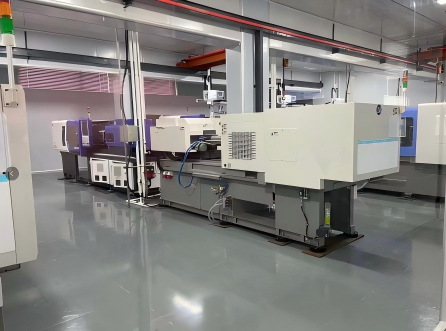
A controlled manufacturing environment helps reduce dust, contamination and handling risks when producing precision plastic components with strict appearance and cleanliness requirements.
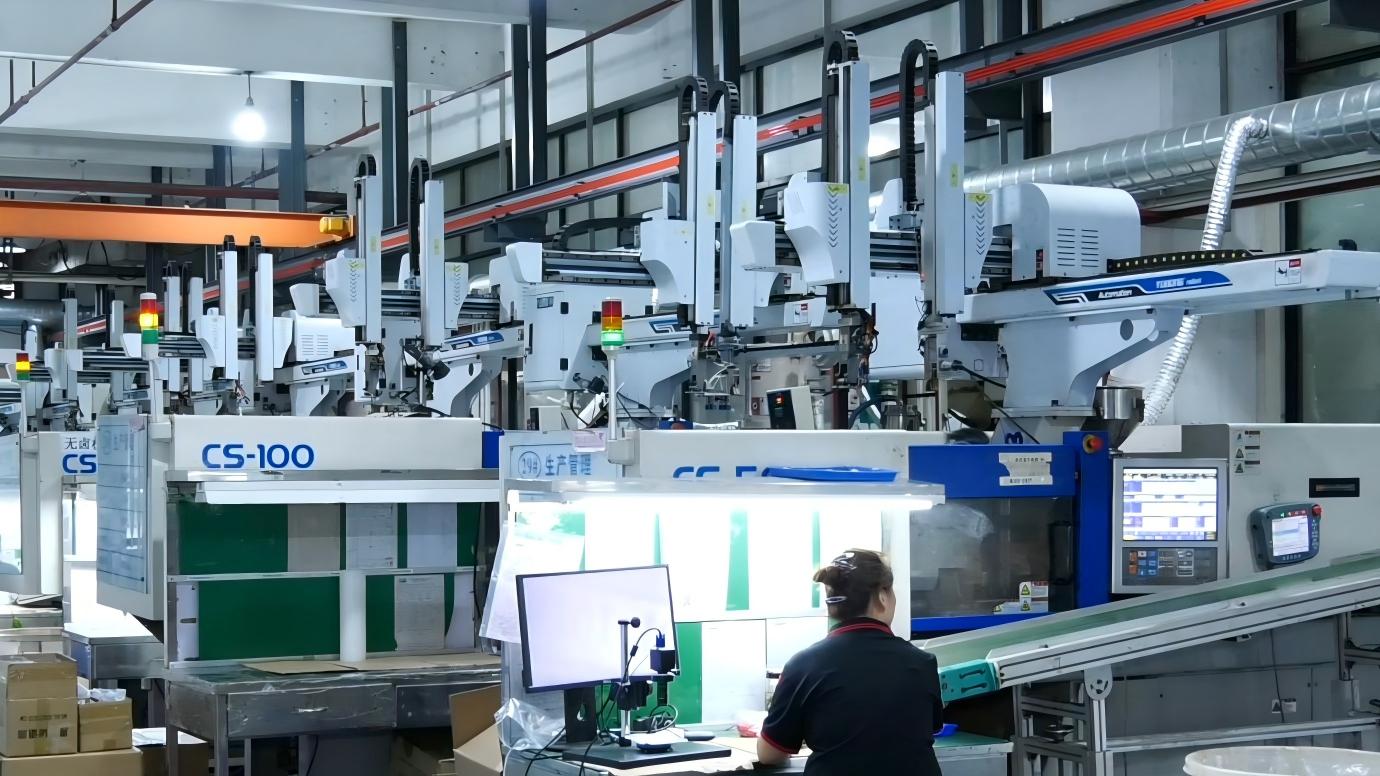
Our injection molding facilities combine controlled production environments, precision molding equipment and automated manufacturing systems to support stable quality from prototype development to mass production.
A controlled manufacturing environment helps reduce dust, contamination and handling risks when producing precision plastic components with strict appearance and cleanliness requirements.
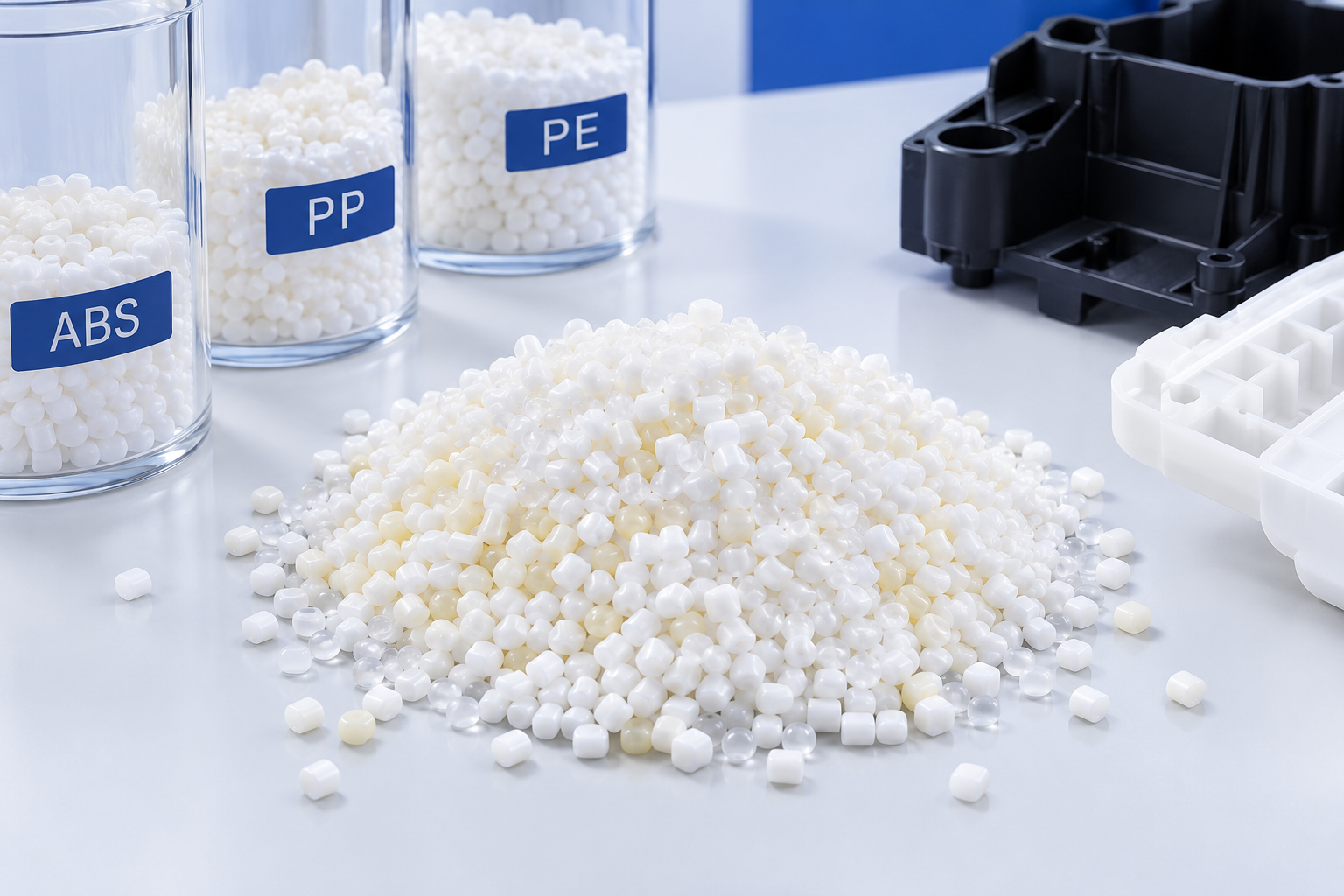
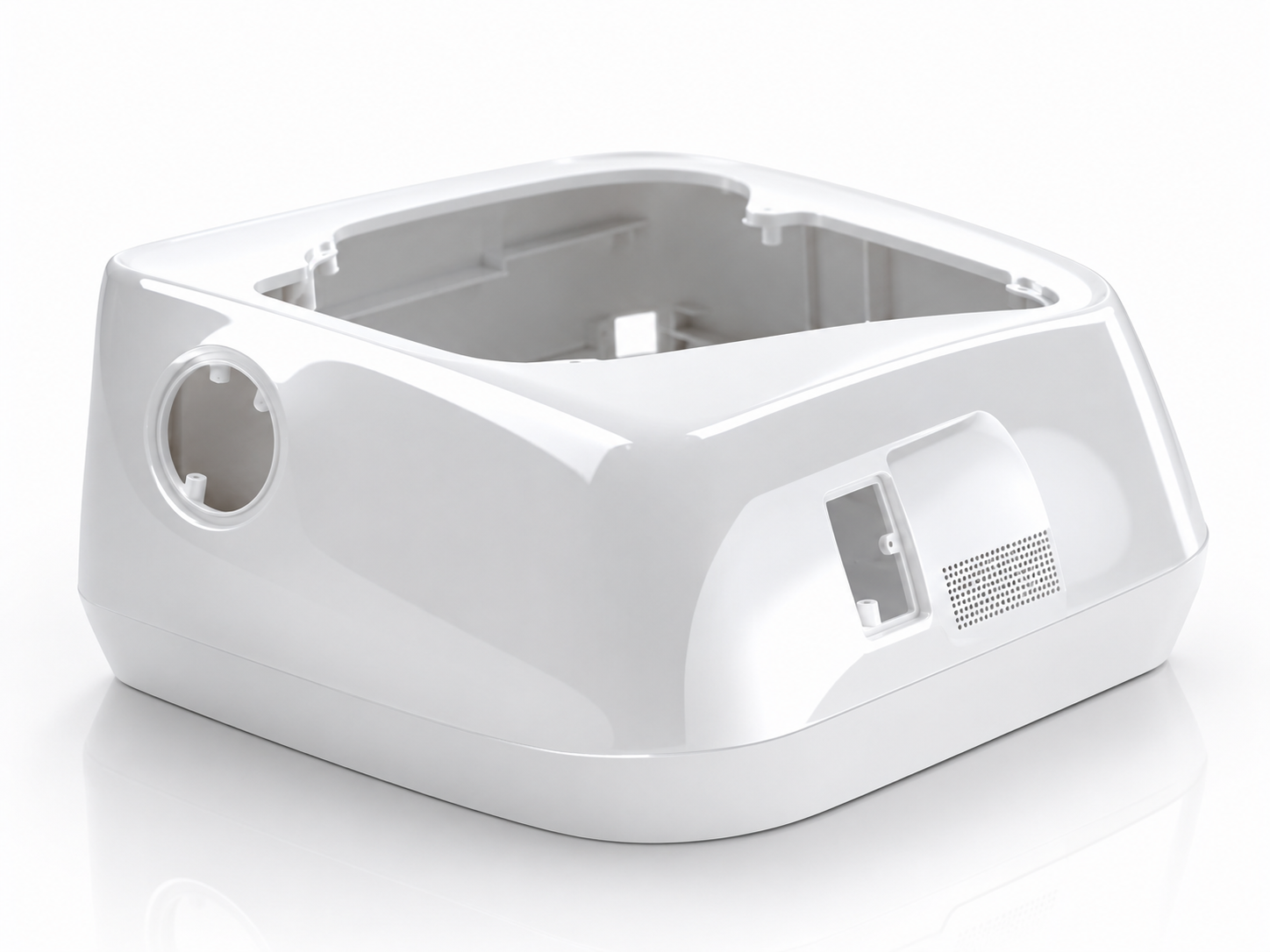
Our injection molding workshop supports a wide range of thermoplastic materials, part sizes and production quantities, from engineering validation to stable batch manufacturing.
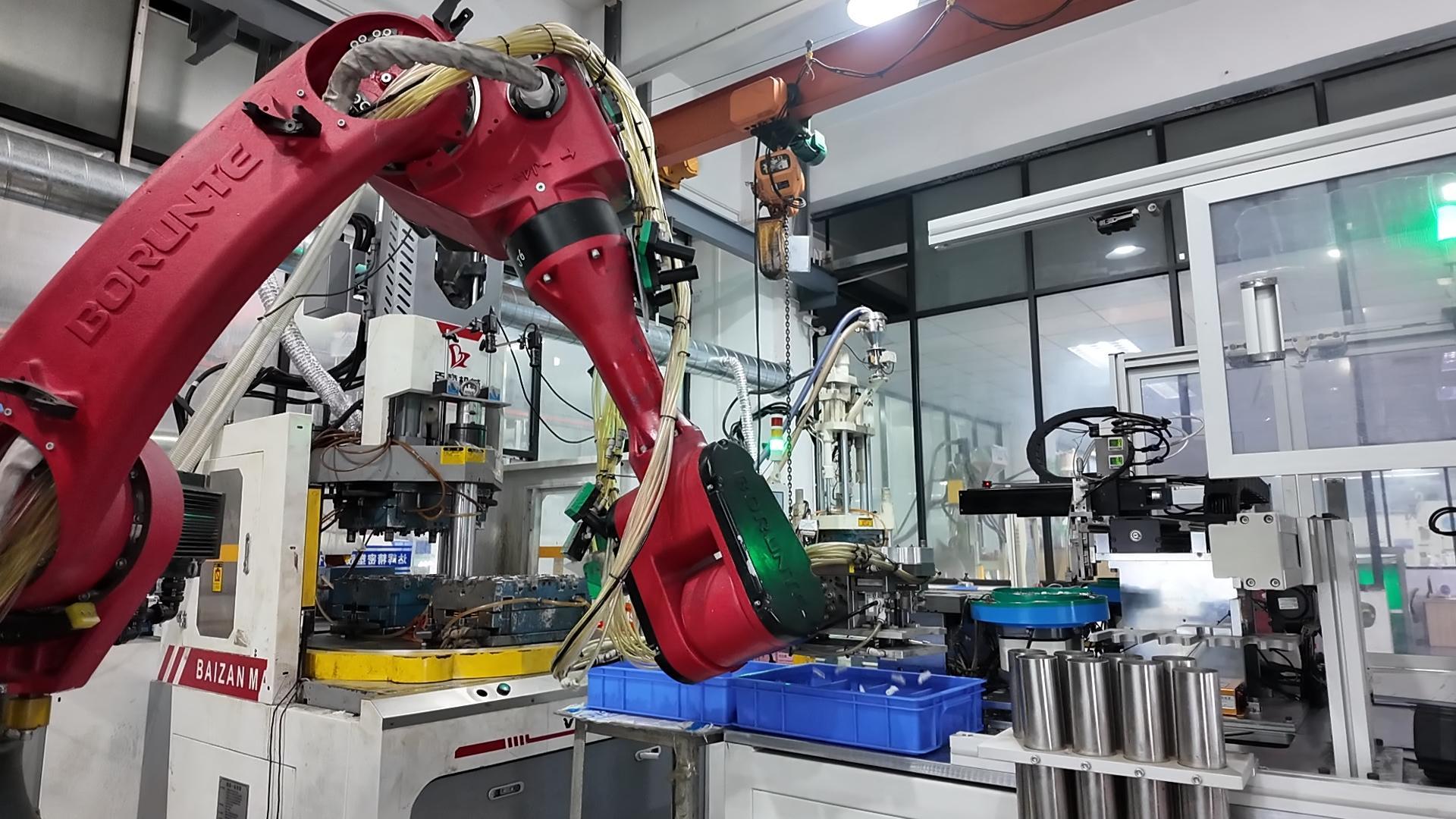
Automated part removal, material feeding and production monitoring improve molding consistency, reduce manual handling and support efficient high-volume plastic part manufacturing.
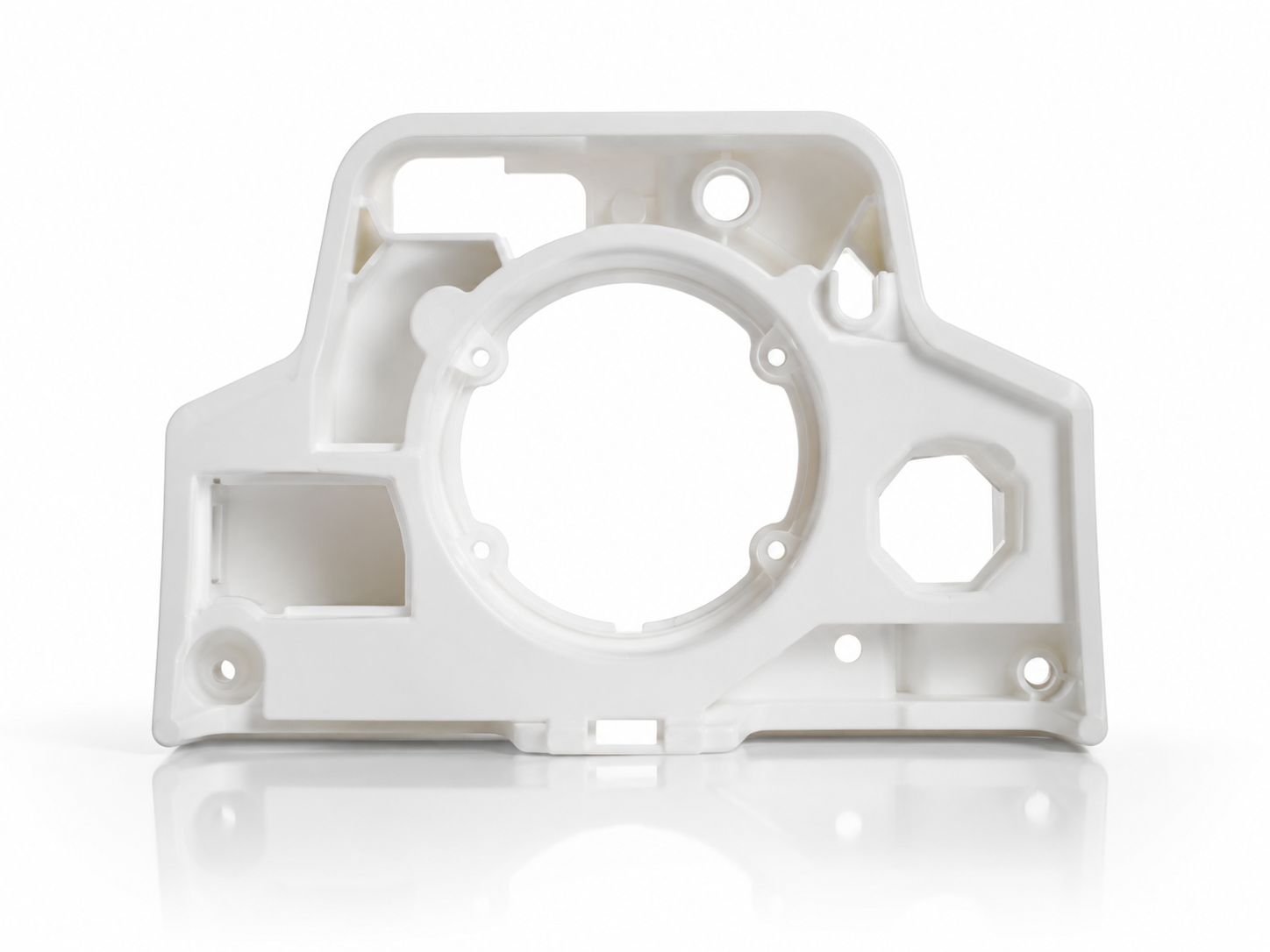
Glass-fiber reinforced PA66 for heat and mechanical resistance.
Precision insert molding to secure metal pins and brass inserts.
Optimized gating and cooling design to minimize part deformation.
Pin alignment accuracy within ±0.05 mm.
Mounting-hole position tolerance within ±0.03 mm.
No visible flash or short-shot defects after molding.
First-pass inspection rate reached 98.5%.
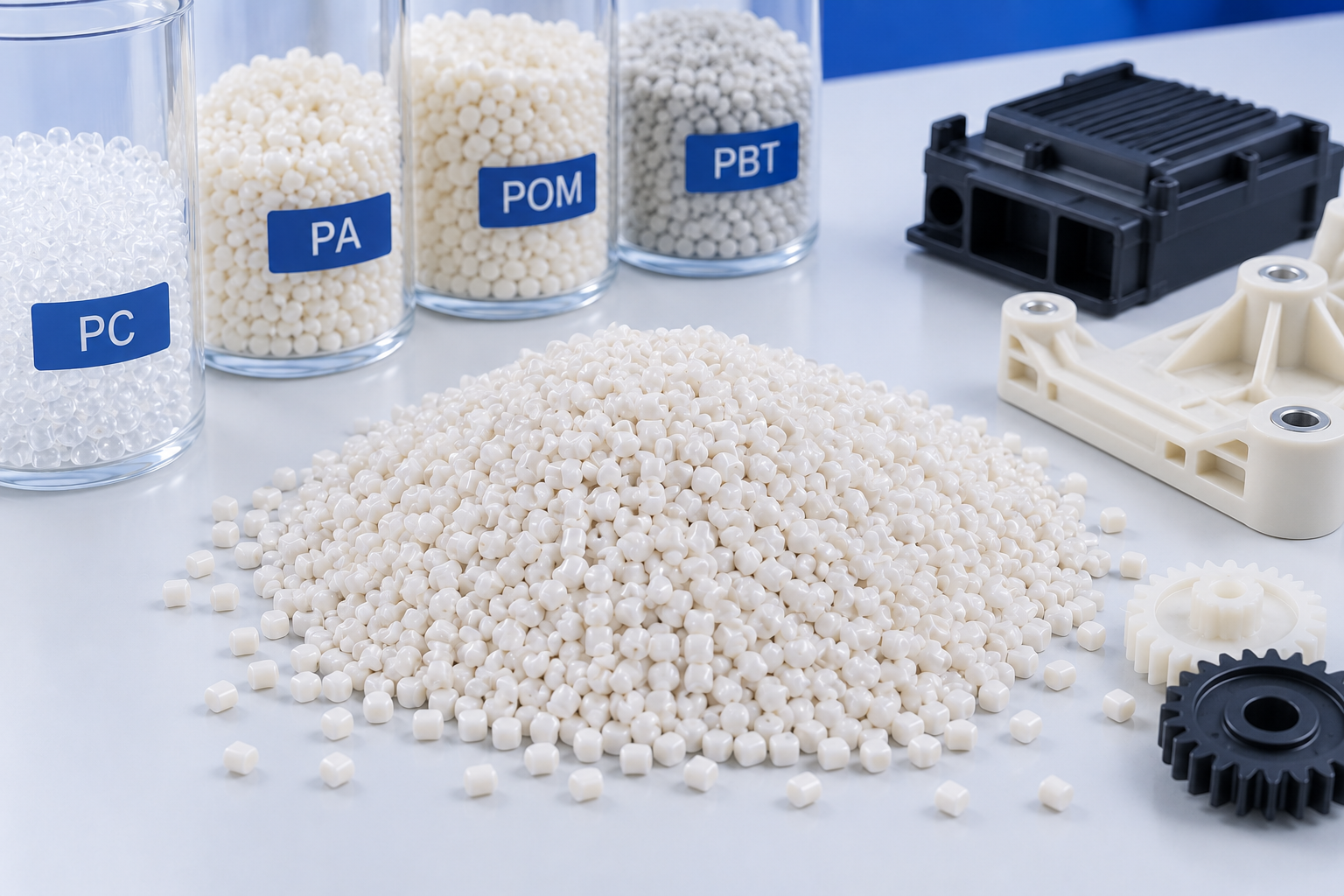
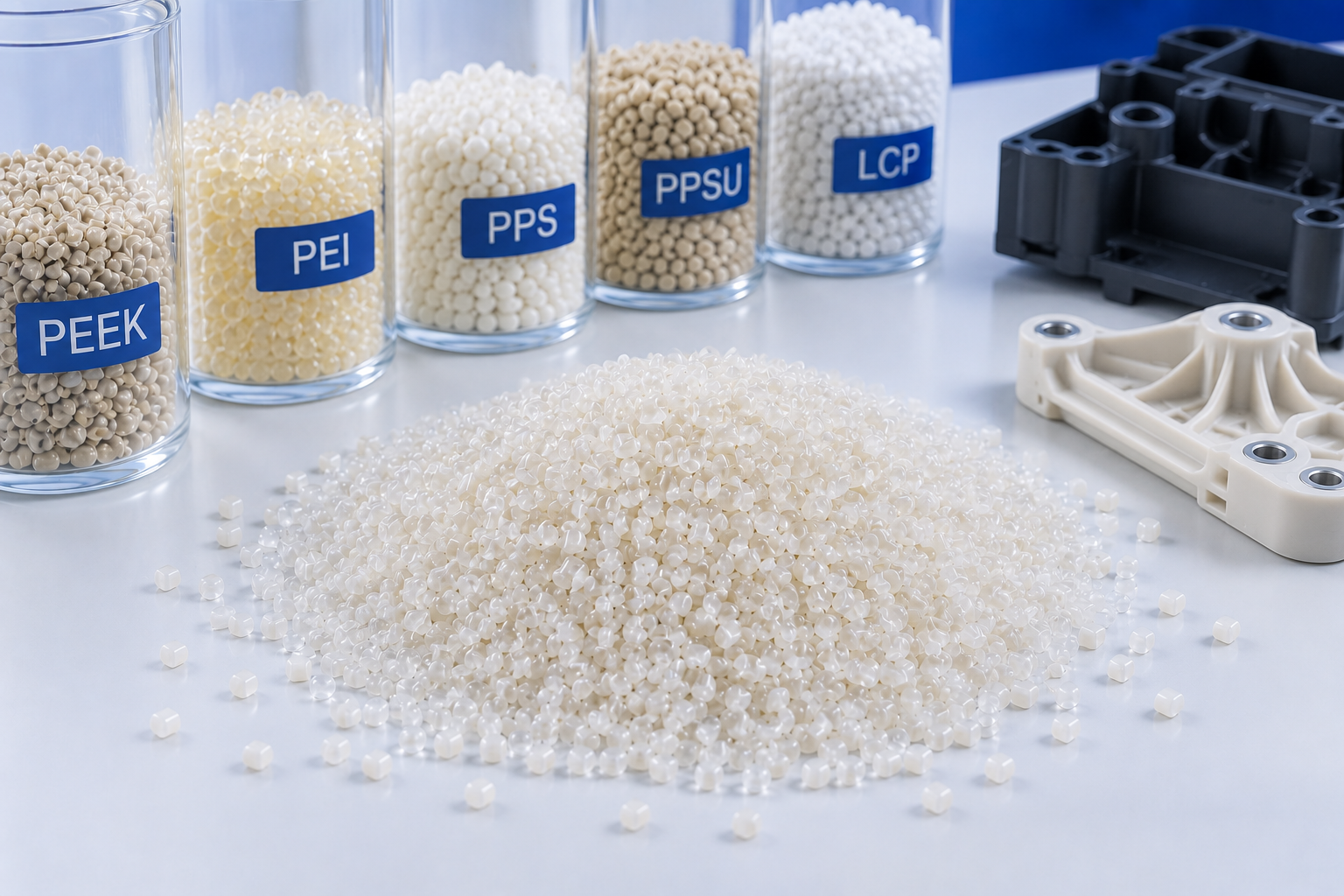
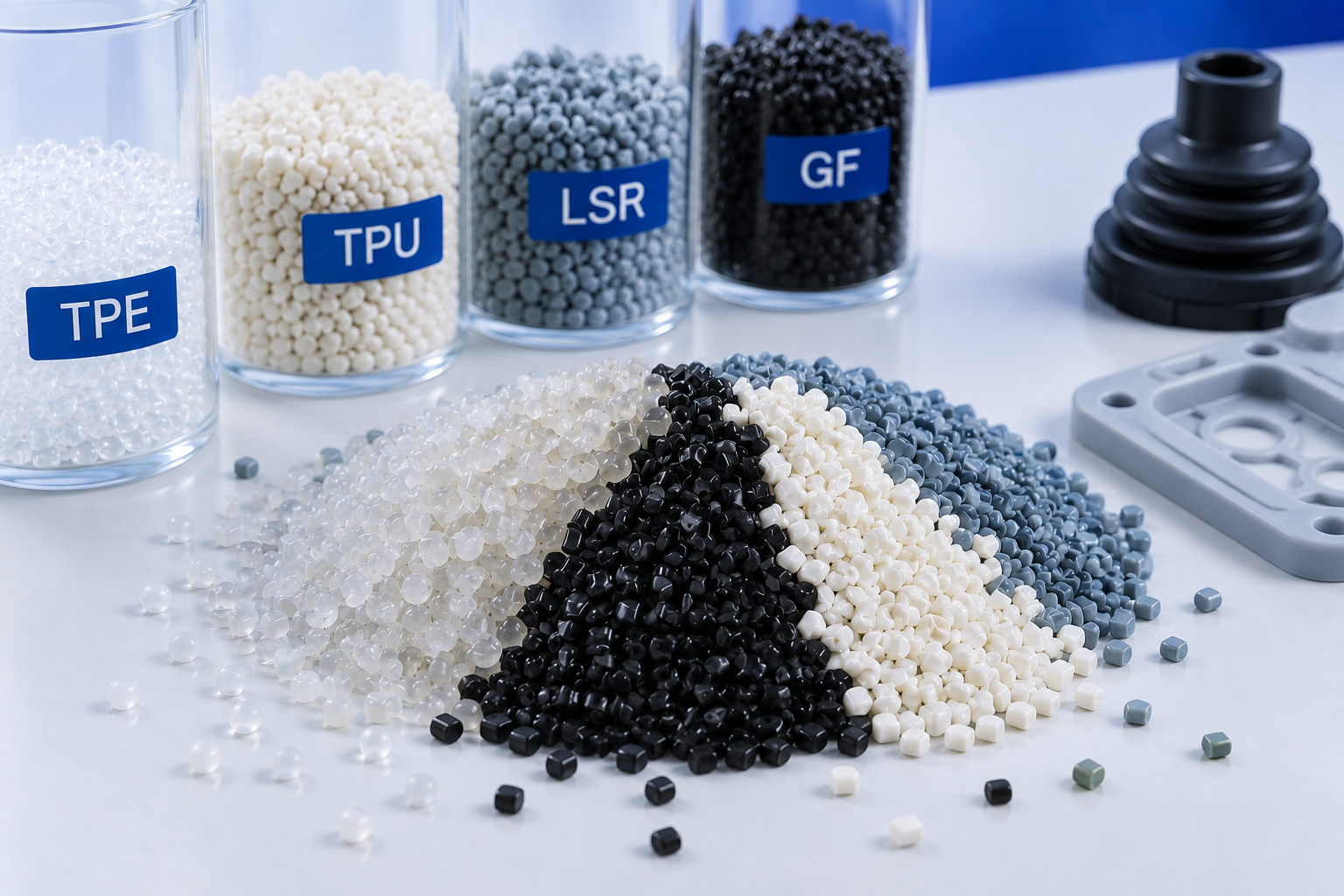
Explore injection molding materials ranging from general-purpose plastics and engineering resins to high-performance polymers, together with cosmetic and functional surface finishing solutions for custom plastic parts.
Cost-effective injection molding materials with balanced processability, appearance and mechanical properties for consumer products, housings and general industrial components.
Strong and dimensionally stable engineering resins for precision molded parts exposed to mechanical loads, friction, impact or elevated operating temperatures.
Advanced injection molding polymers for demanding applications requiring heat resistance, chemical stability, electrical insulation and high mechanical strength.
Flexible, reinforced and modified compounds for sealing, soft-touch surfaces, vibration control, flame resistance and enhanced structural performance.
Mold texturing and polishing create matte, patterned, smooth, glossy or mirror-finish surfaces directly during the plastic injection molding process.
Custom painting, color matching and decorative coatings improve product appearance, tactile quality and visual consistency across molded components.
Logos, symbols, scales, serial numbers and traceability codes can be applied to molded parts using printing or permanent laser marking processes.
Functional secondary operations can improve conductivity, EMI shielding, corrosion protection and final assembly performance for custom plastic components.
Our custom injection molding services support precision plastic component production across demanding industrial and commercial applications.
Molded housings, clips, connectors, interior components and under-hood plastic parts with stable dimensions and repeatable quality.
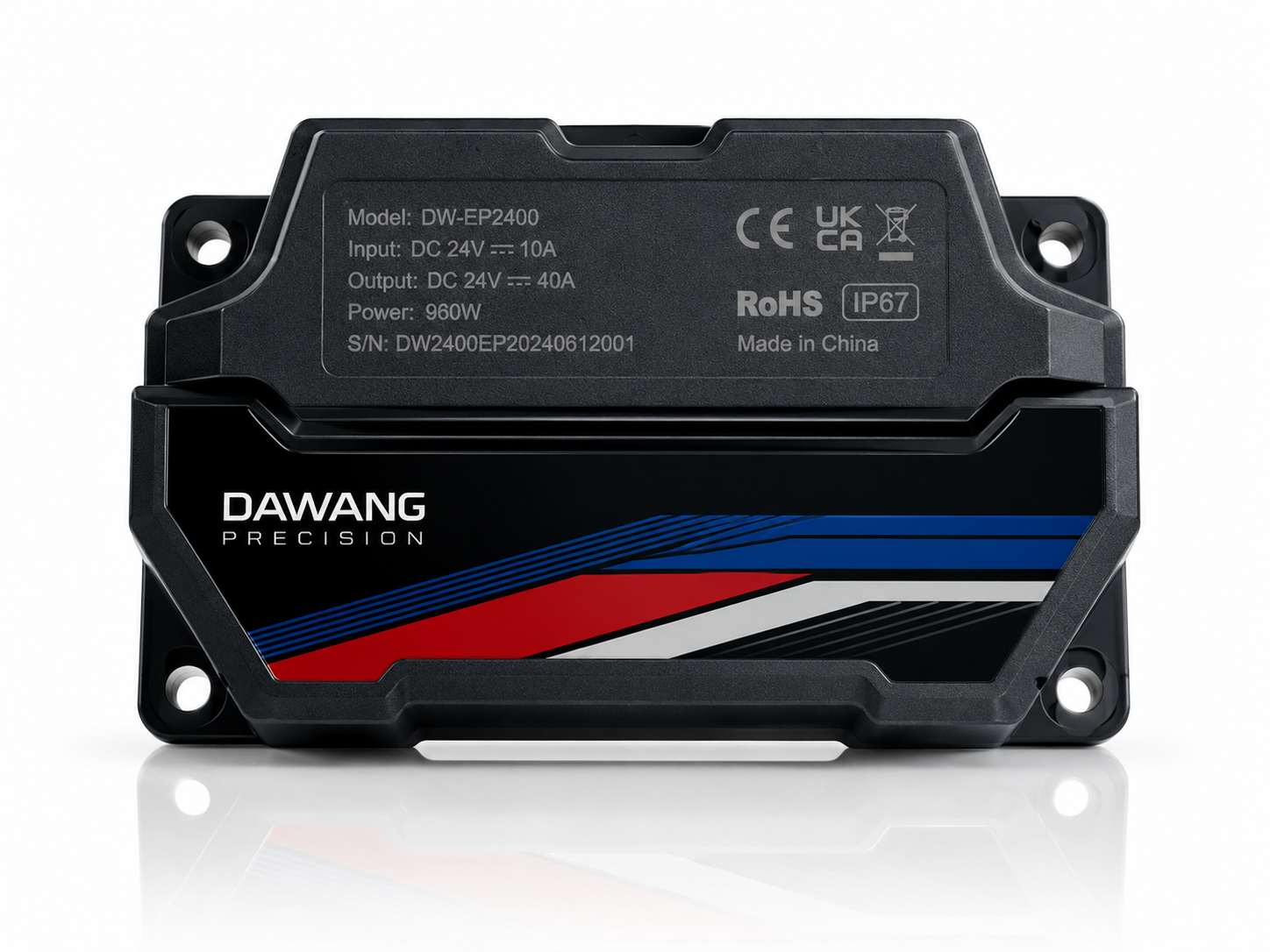
Lightweight covers, structural housings, sensor enclosures and precision plastic components for robotic systems and automation equipment.
Precision enclosures, connectors, protective covers and insulated components with cosmetic and functional finishing options.
Custom plastic housings, equipment covers and precision molded parts manufactured under controlled quality requirements.
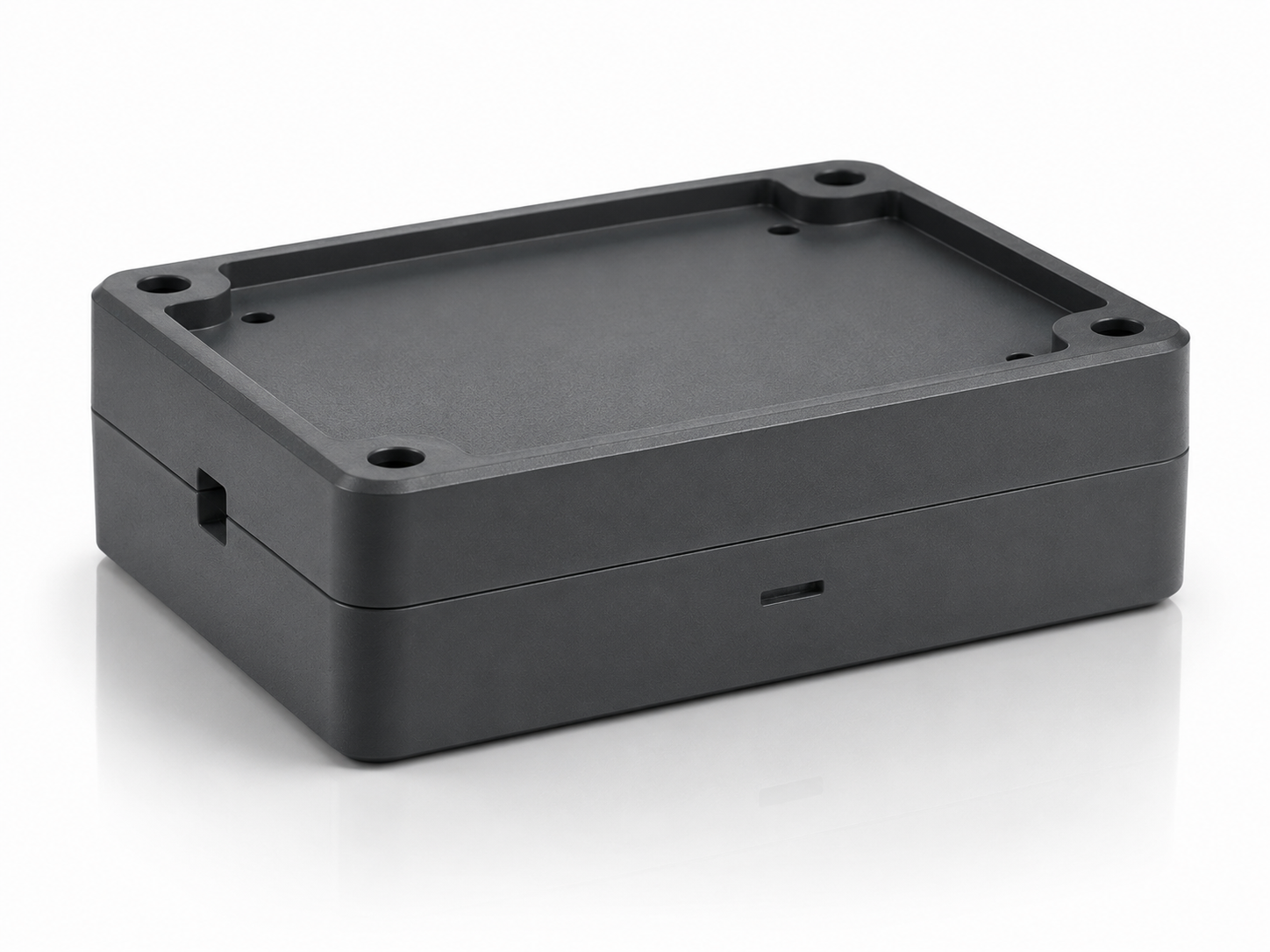
Durable plastic components for machines, control systems, automation equipment, fixtures and demanding production environments.
Attractive and cost-effective molded components with custom colors, textures, printing, painting and final assembly services.
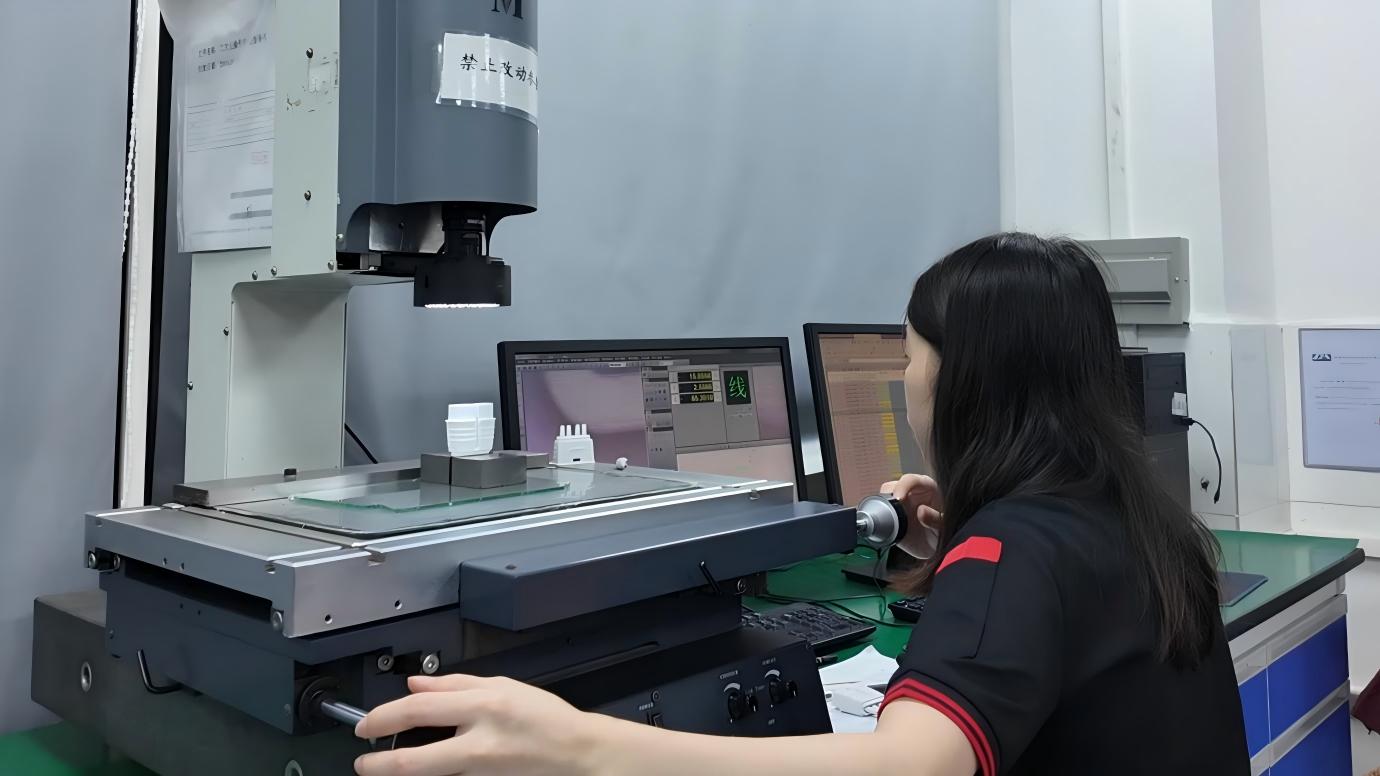
Quality planning and inspection are integrated throughout mold development, trial molding and production to maintain dimensional accuracy, appearance and reliable part performance.
Our quality team verifies critical dimensions, material requirements, surface appearance and assembly features according to customer drawings and approved production standards.
Resin type, grade, color and supporting material documentation are checked before production.
Initial molded samples are measured and reviewed before stable batch production begins.
Critical dimensions and tolerances are verified using suitable precision measuring equipment.
Parts are checked for sink marks, flash, flow lines, warpage, scratches and color inconsistency.
Key molding parameters are controlled to support repeatability across the production run.
Completed components can be supplied with inspection records and quality documentation when required.
Applying practical injection molding design principles can reduce tooling risk, improve part quality and support efficient long-term production.
Keep wall sections as consistent as possible to reduce shrinkage variation, sink marks, internal stress and warpage.
Typical range: 1–4 mmDraft angles help molded parts release smoothly from the tool and reduce drag marks or surface damage during ejection.
Common draft: 1°–2°Internal radii improve material flow and reduce stress concentration, cracking risk and uneven cooling.
Avoid sharp internal cornersRibs improve stiffness without adding excessive wall thickness, but they should be sized to limit sink marks.
Rib thickness: 40–60% of wallScrew bosses should be supported by ribs or gussets and positioned to avoid thick material concentrations.
Consider inserts for repeated usePart geometry should allow practical mold separation, gate placement and ejector pin locations without affecting function.
Review during DFM analysisAnswers to common questions about custom plastic injection molding, mold development, materials, tolerances and production requirements.
Please provide a 3D CAD file, 2D drawing, plastic material, surface finish, color, expected order quantity and annual demand. Details about critical tolerances, assembly requirements and product use can help us evaluate the project more accurately.
We support common thermoplastics, engineering plastics, high-performance polymers and elastomer materials, including ABS, PP, PC, PA, POM, PMMA, PBT, PEEK, PPS, TPE and TPU. Material selection depends on strength, heat resistance, chemical exposure, appearance and operating conditions.
Yes. We can evaluate prototype tooling and low-volume mold solutions for design validation, functional testing, market trials and bridge production before larger-scale manufacturing.
Achievable tolerance depends on part size, resin shrinkage, geometry, wall thickness, mold structure and production conditions. Critical dimensions should be clearly identified on the drawing so the tooling and inspection plan can be evaluated accordingly.
Yes. Our service can include DFM review, mold flow evaluation, tooling structure design, mold manufacturing, trial molding, sample inspection, engineering changes and production support.
Yes. We can evaluate insert molding for metal inserts, threaded components and electrical parts, as well as overmolding for soft-touch grips, seals, protective layers and multi-material components.
Available options include mold polishing, VDI textures, SPI finishes, painting, soft-touch coating, UV coating, pad printing, silk-screen printing, laser marking, electroplating, EMI shielding and assembly.
Tooling lead time depends on part complexity, mold size, cavity count, mold steel, surface requirements and testing needs. A more accurate schedule can be provided after reviewing the product drawings and production requirements.