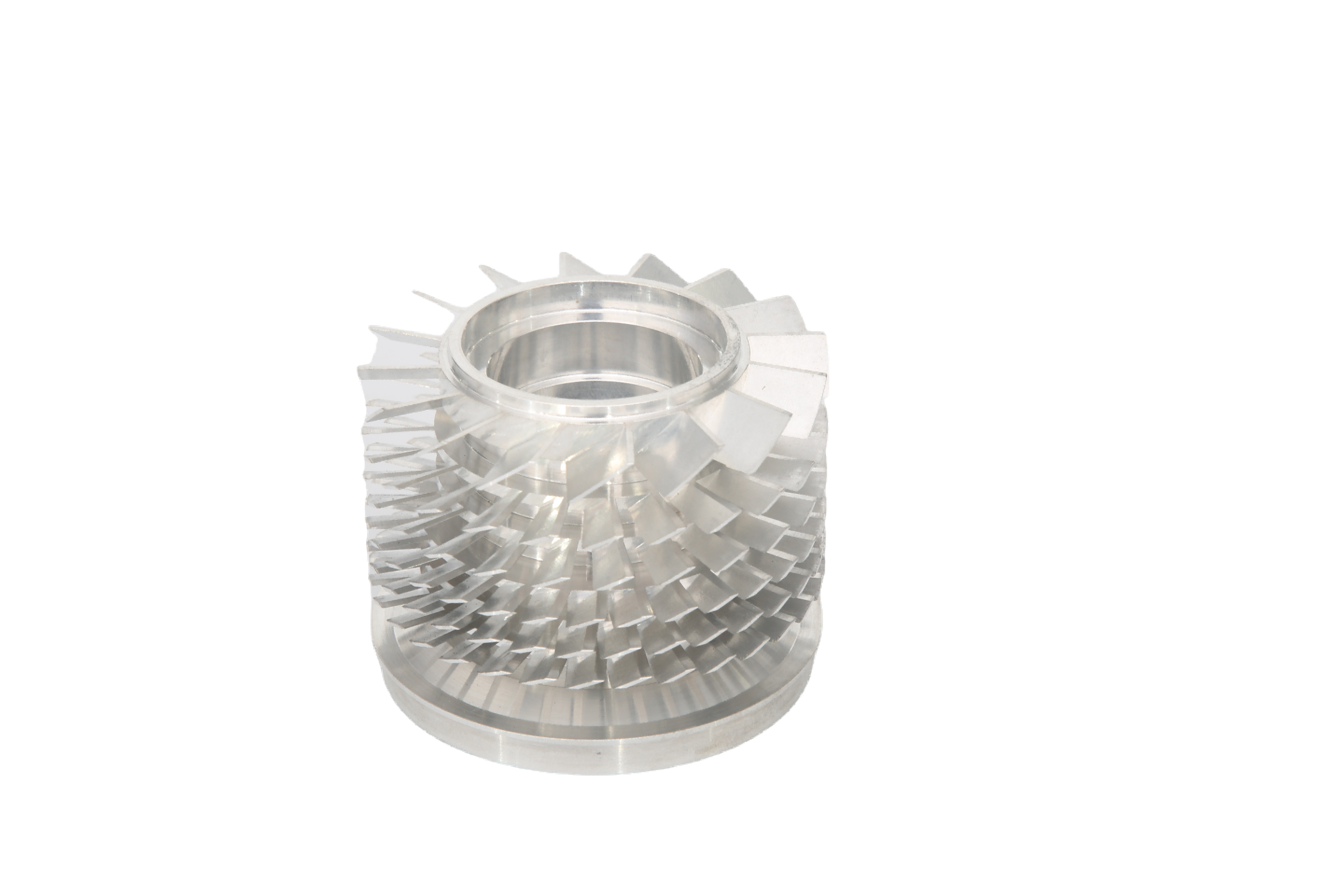
Turbine Impellers
Curved blades, narrow passages and controlled surface continuity.
| Requirement | Dawang capability | What to specify |
|---|---|---|
| Critical dimensions | As tight as ±0.003 mm on suitable features | Tolerance, datums and inspection method |
| Surface roughness | Down to Ra 0.4 µm on suitable surfaces | Required surfaces and any post-treatment |
| Geometry & size | Reviewed against machine access and workholding | 3D model, dimensions and critical features |
| Machining strategy | 3+2 positional or simultaneous 5-axis | Functional requirements; we recommend the process |
| Order quantity | Prototypes, low-volume and repeat production | Initial order and expected repeat demand |
| Inspection documents | Dimensional reports and material records on request | Report scope and traceability needs |
| Lead time | Confirmed with the quotation | Delivery date and finishing requirements |
*Tightest tolerance and roughness figures are feature-specific capabilities, not default specifications for every material, size or surface. Acceptance criteria are confirmed during quotation and drawing review.
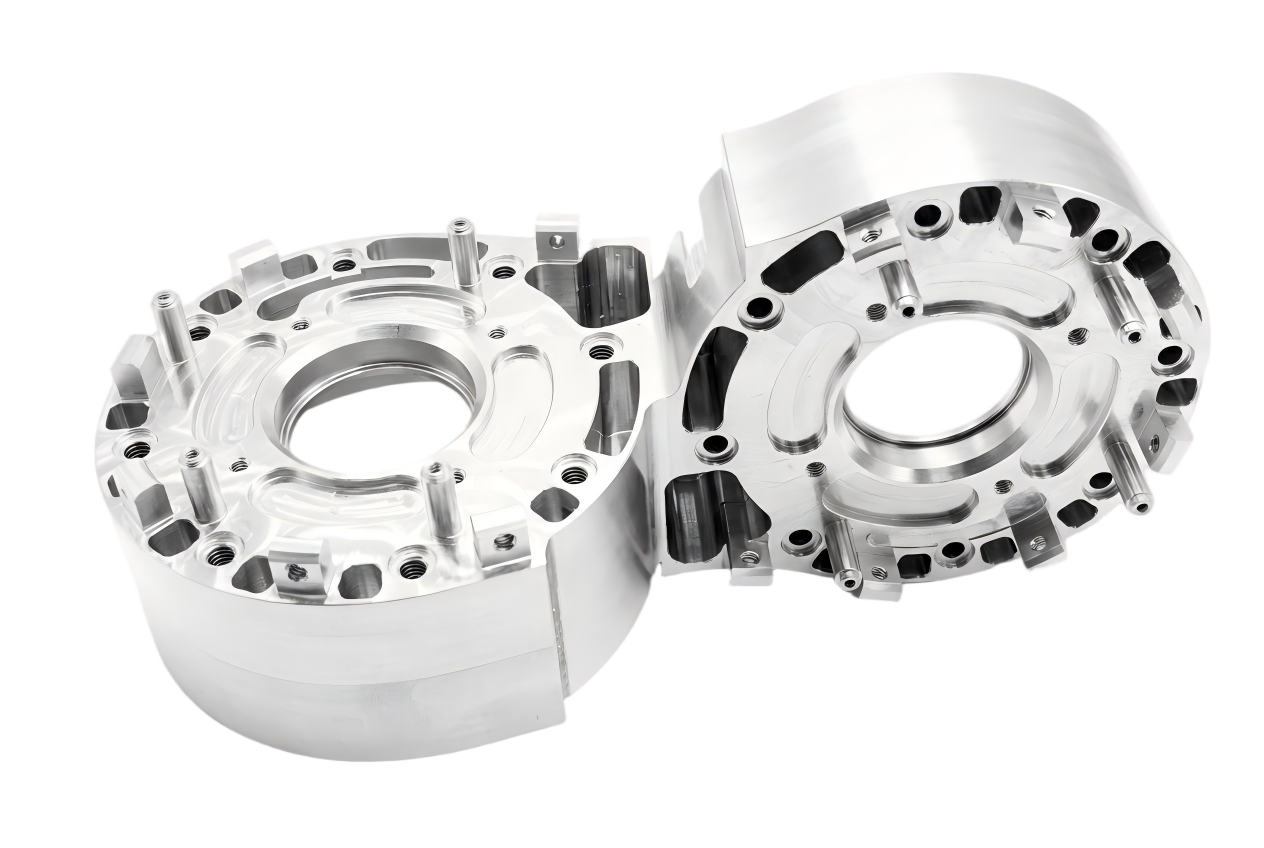
Each component calls for its own combination of machining, workholding and inspection.
Curved blades, narrow passages and controlled surface continuity.
Lightweight structures with controlled bores and interface geometry.
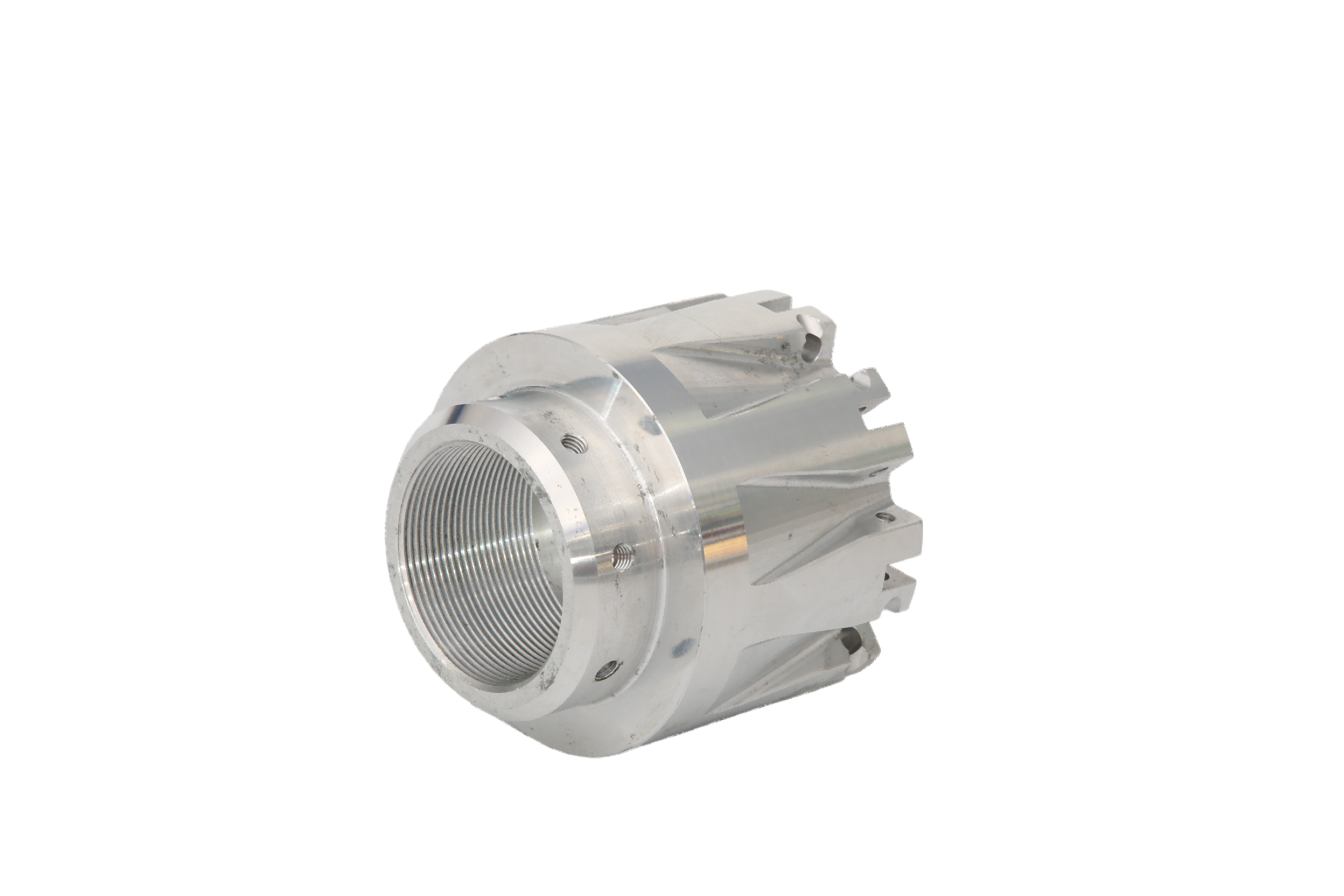
Related bores, mounting faces and transmission features.
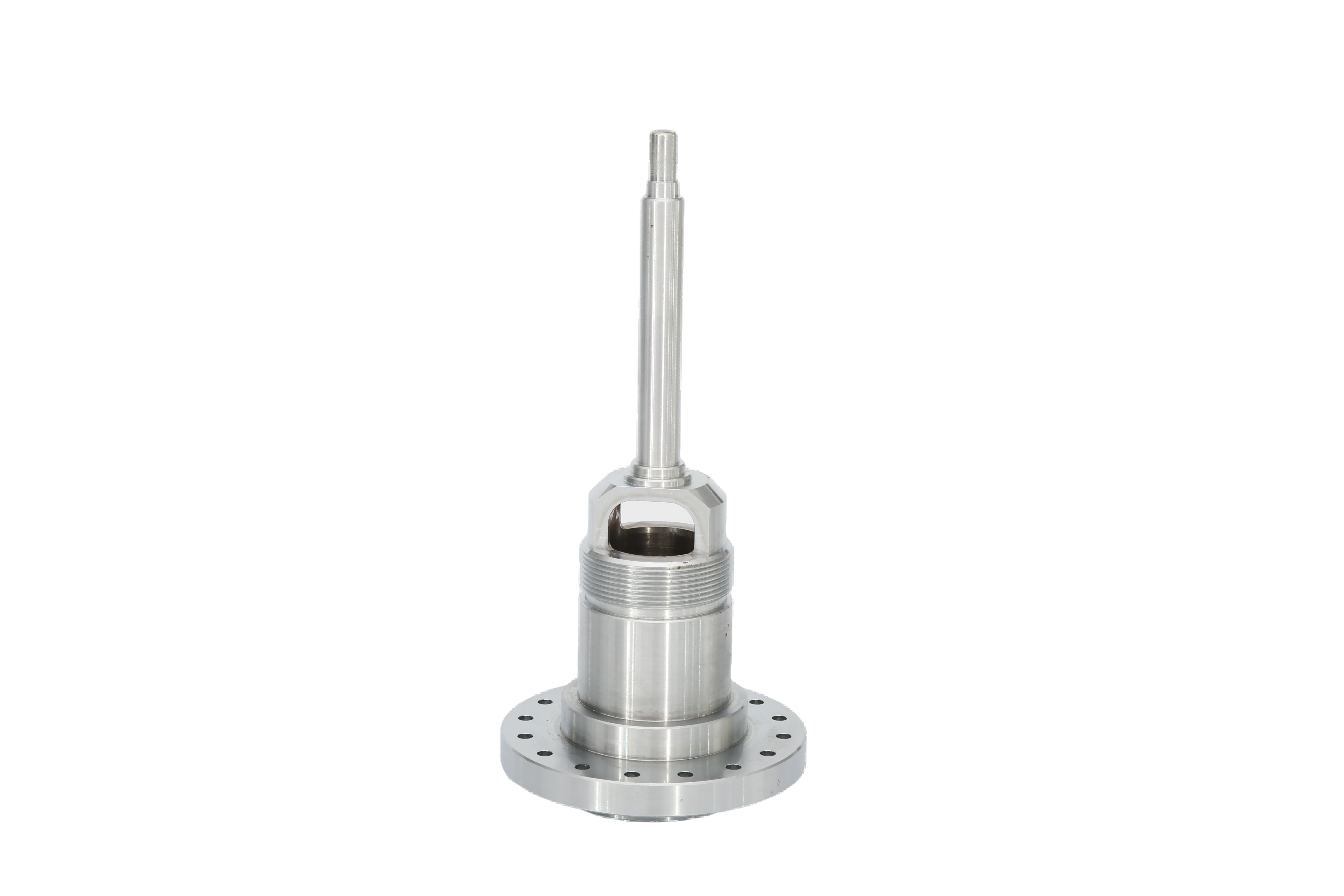
Angled ports, sealing faces and intersecting internal channels.
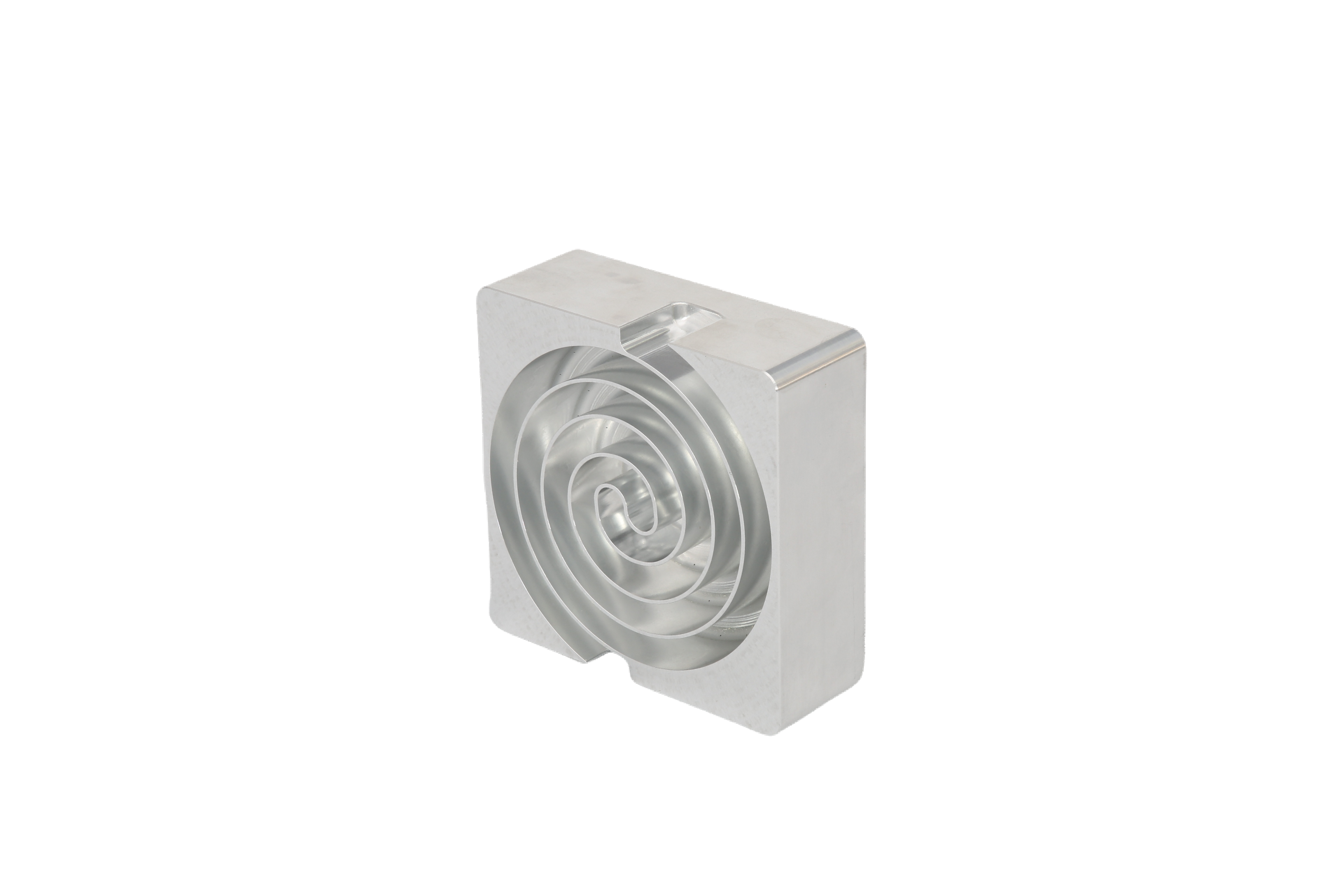
Deep pockets, fine walls and multi-face dimensional control.
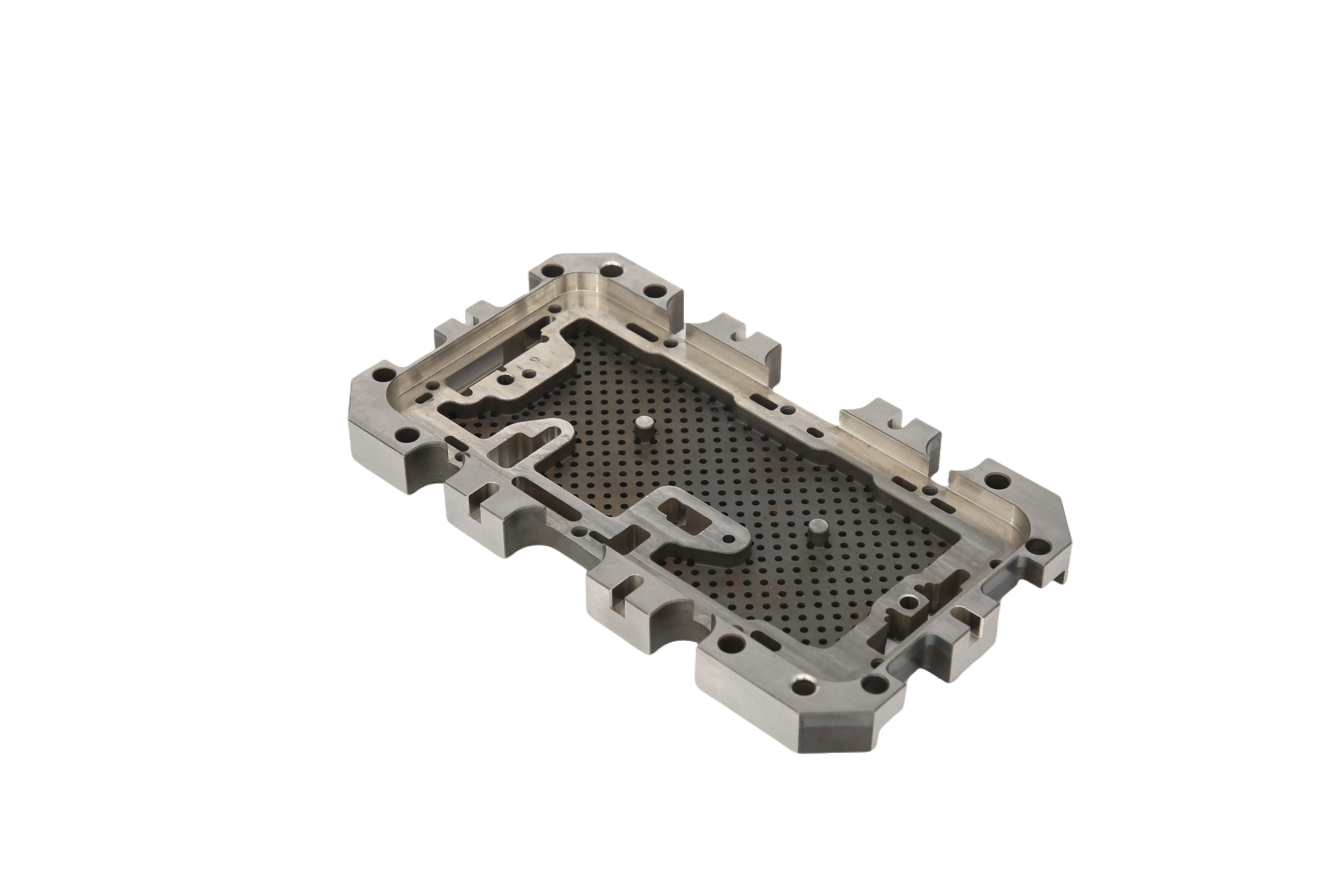
Repeatable locating features for manufacturing and assembly.
Have a part with similar geometry? Send your drawing for an engineering and process review.
Get a Quote →The right choice depends on tool access, geometry, finish and total project cost.
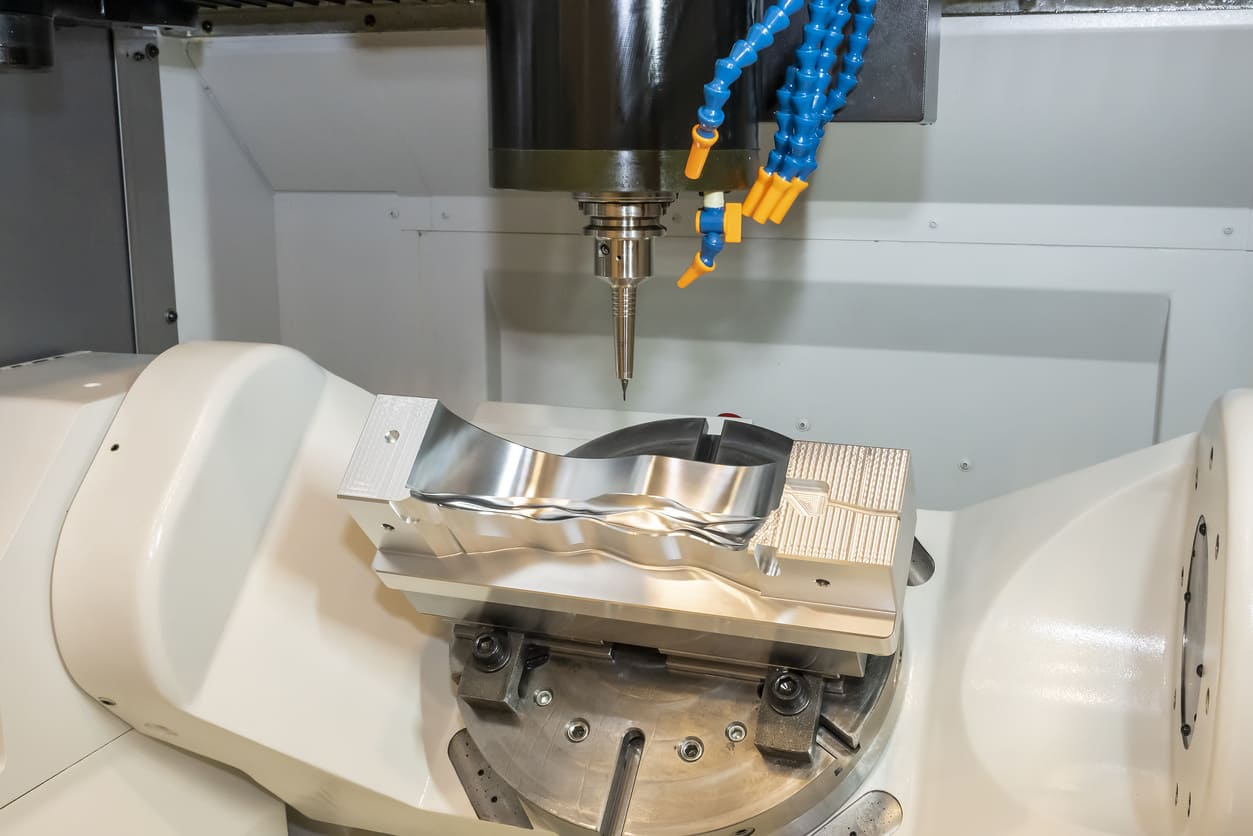
The rotary axes position the part or tool, then remain fixed while the three linear axes cut.
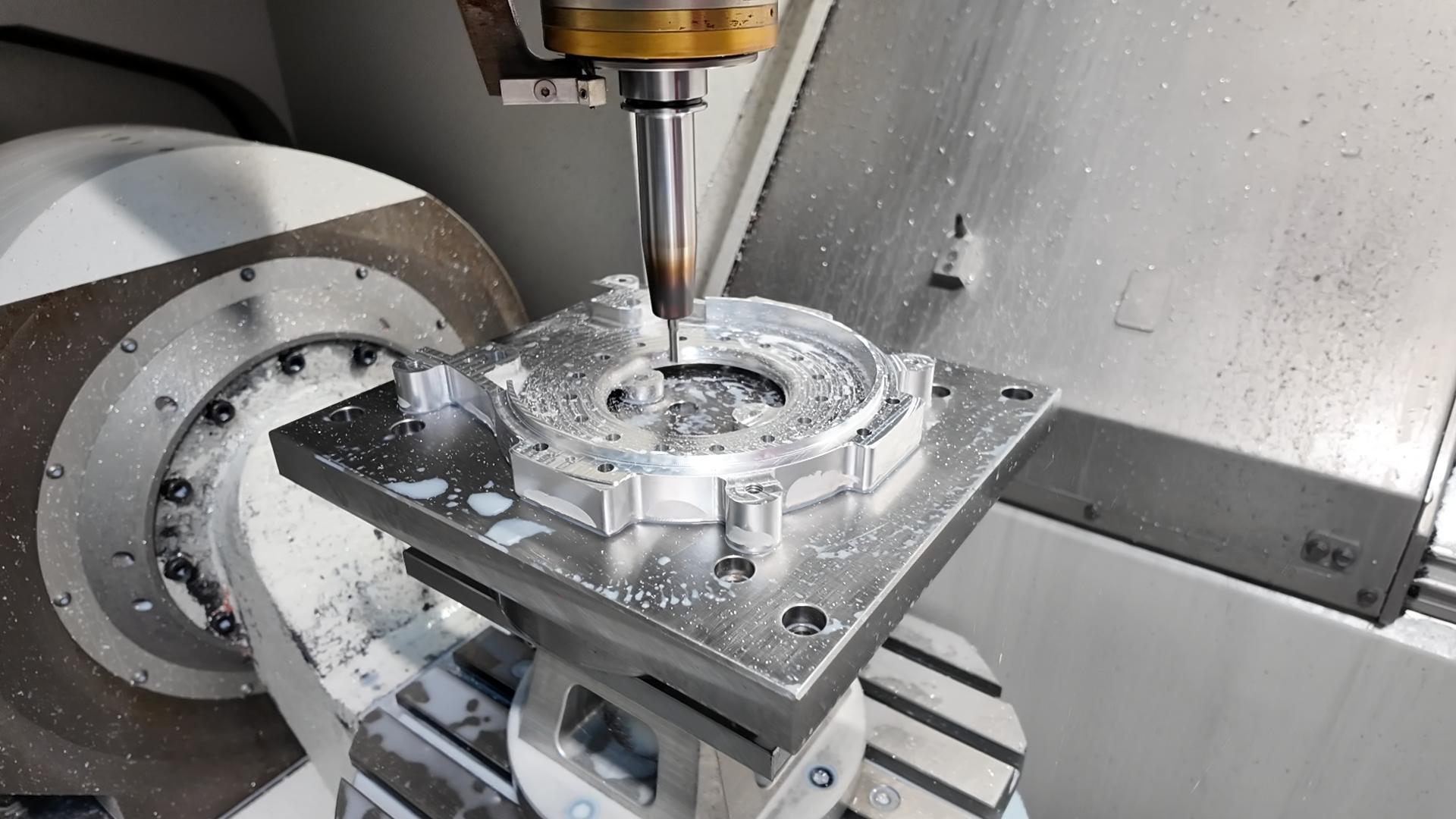
Linear and rotary axes move together during cutting, continuously changing the tool orientation.