


close
Choose Your Site
Global
Social Media
Views: 0 Author: Site Editor Publish Time: 2025-12-17 Origin: Site


CNC machining is a widely used method for creating high-precision parts, but when it comes to titanium, is it really as straightforward? Titanium's strength and unique properties make it a challenging material to work with.
In this article, we'll dive into the difficulties of machining titanium using CNC technology. You will learn why titanium is difficult to machine, the techniques used to overcome these challenges, and how CNC machining can still produce high-quality titanium parts.
Titanium is often considered difficult to machine due to its unique physical and chemical properties. While it offers excellent performance in critical applications, its characteristics can make CNC machining a complex and delicate process.
Challenge | Description | Impact on CNC Machining |
Material Hardness | Titanium's high hardness makes it tough to machine. | Increases tool wear and reduces machining efficiency. |
Heat Sensitivity | Titanium generates significant heat during machining. | Leads to tool wear, poor surface finish, and overheating. |
Chemical Reactivity | Titanium reacts with certain tools at high temperatures. | Causes welding of titanium to tools, reducing tool life and cut quality. |
Titanium alloys are known for their hardness, making them tough to machine. Compared to materials like aluminum or steel, titanium requires more effort to cut, grind, and shape. The hardness results in increased wear on cutting tools, which can reduce efficiency and increase the cost of production. Additionally, titanium is prone to work hardening, where the material becomes even harder as it's machined, making the process more difficult as time goes on.
Titanium's high strength comes with a downside: it generates significant heat during machining. This heat can soften the material, leading to reduced tool life, poor surface finish, and increased energy consumption. Titanium has a low thermal conductivity, meaning the heat generated during the machining process stays concentrated at the cutting edge. This often leads to overheating, causing tool wear or even failure.
Titanium is chemically reactive at high temperatures. During machining, the cutting tools can react with titanium, leading to the formation of titanium carbide or other compounds that can negatively affect the tool's lifespan and the quality of the cut. This reactivity also makes it prone to welding to the cutting tools, further complicating the machining process.
Tip: To reduce heat buildup, use the correct cutting speed and feed rate and ensure optimal coolant application to protect both the tools and material.
Given the challenges that titanium poses, specific CNC machining techniques are required to successfully process this material. These techniques help maintain the material's integrity while achieving the desired precision.
Technique | Description | Key Benefits |
High-Speed Machining (HSM) | Involves high cutting speeds to reduce heat buildup. | Reduces tool wear, speeds up production, and improves precision. |
Coolant Systems | Advanced cooling systems to dissipate heat. | Prevents overheating, extends tool life, and improves cutting performance. |
Cutting Parameters | Adjusting cutting speeds, feed rates, and depth of cuts. | Optimizes tool performance and ensures high-quality finishes. |
High-speed machining (HSM) is one of the most effective techniques for machining titanium. By increasing the cutting speed, HSM reduces the time the tool spends in contact with the titanium, which helps minimize heat buildup and wear. This technique allows for higher precision and faster processing times, but it requires sophisticated equipment and careful monitoring to avoid any damage to the material.
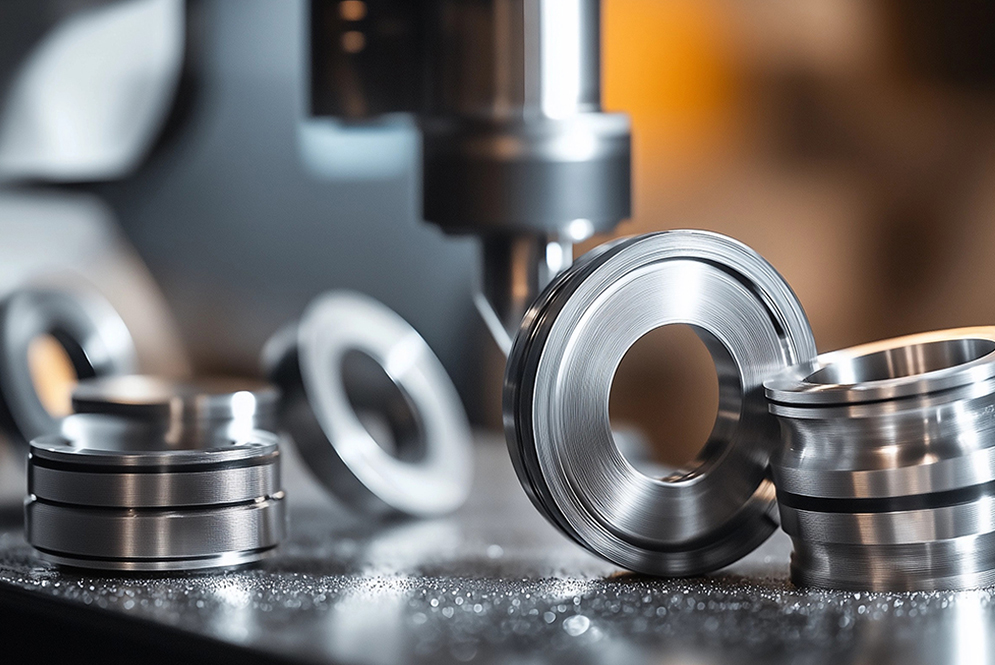
Proper cooling is essential when machining titanium. The heat generated during the process must be dissipated to avoid overheating the material and the tools. Advanced coolant systems, such as through-tool cooling or high-pressure coolant systems, help maintain a consistent temperature and prevent thermal damage. Coolants not only reduce heat but also help lubricate the cutting tools, further extending their lifespan.
When machining titanium, it's crucial to adjust cutting parameters like cutting speed, feed rate, and depth of cut. A slower feed rate is often required to prevent excessive heat buildup, while deeper cuts may require lower cutting speeds. These parameters depend on the specific titanium alloy being used, the tool material, and the complexity of the part being machined.
Titanium machining demands the use of specialized tools. Carbide tools are commonly used due to their high hardness and resistance to wear. Additionally, coatings such as TiN (Titanium Nitride) or TiAlN (Titanium Aluminum Nitride) are often applied to tools to reduce friction and improve cutting performance. The right tool material and coating can significantly enhance machining efficiency and tool life.
Tip: Always consult with a CNC machining expert when selecting the right tool and cutting parameters for titanium to optimize machining performance.
CNC machining titanium comes with its own set of challenges that need to be addressed in order to maintain high efficiency and quality.
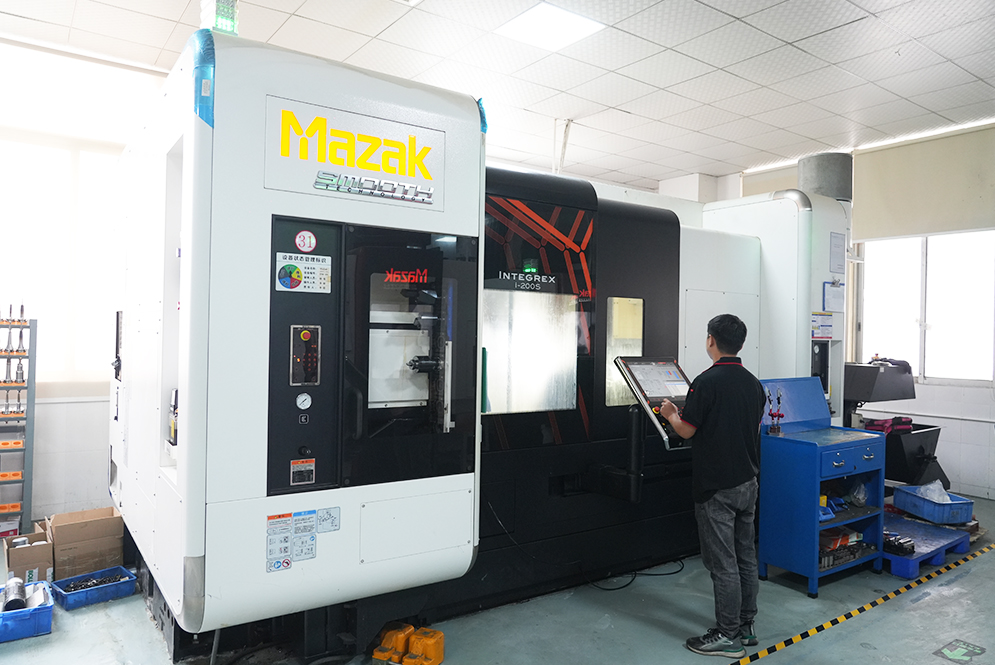
Achieving a high-quality surface finish can be difficult when machining titanium. Titanium's tendency to work harden means that the surface can become rough and uneven if the machining parameters are not carefully controlled. This can affect the part's appearance and its functional performance, particularly in aerospace or medical applications where precision is critical.
Titanium is more prone to deformation during machining due to its strength and heat sensitivity. The material can expand and contract as it's heated and cooled, leading to dimensional inaccuracies. To minimize deformation, it's essential to carefully control the cutting parameters and use fixtures that hold the titanium securely throughout the process.
Handling titanium parts during machining can be tricky. The material is relatively lightweight compared to other metals, but its strength means it can be difficult to secure properly. Titanium parts may be prone to distortion or damage if not handled carefully. Using proper fixtures and clamps is essential to ensuring accurate machining and preventing any damage to the part.
As mentioned earlier, titanium's chemical reactivity means that the workpiece can interact with the tools. This can lead to issues like tool wear, workpiece contamination, and poor cutting quality. Using proper cooling and lubrication helps mitigate these issues by reducing the chances of titanium welding to the tools or causing premature tool failure.
Despite the challenges, CNC machining is an excellent option for producing high-precision titanium parts. It offers several advantages in terms of efficiency, accuracy, and customization.
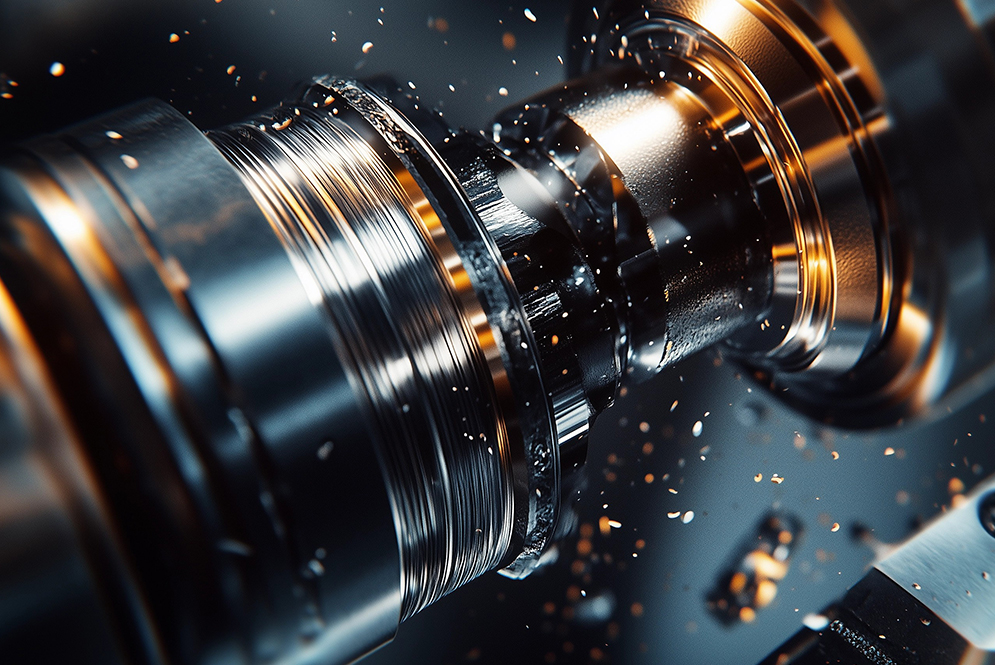
CNC machining allows for high precision in the production of complex titanium parts. Whether it's a small aerospace component or a medical implant, CNC machines can produce parts with tight tolerances and intricate geometries that would be difficult to achieve with traditional machining methods. The versatility of CNC machining also allows manufacturers to create custom parts tailored to specific requirements.
CNC machining is faster than traditional machining methods, allowing for high throughput without sacrificing quality. This is especially beneficial when working with titanium, as the process can be optimized for quicker cycle times and reduced wear on tools. With the right parameters and tooling, manufacturers can achieve significant cost savings in titanium part production.
CNC machines can work with a wide range of titanium alloys, each of which may require slightly different machining approaches. From commercial-grade titanium to highly specialized alloys, CNC machining can adapt to the material and create parts for various industries, from aerospace to medical applications.
Successfully machining titanium requires careful planning and knowledge of best practices. Here are some tips to overcome the common challenges associated with CNC machining titanium.
Always choose tools that are specifically designed for titanium machining. Carbide tools, with or without coatings, are essential for achieving efficient and effective cuts. Using high-quality tools ensures longer tool life, better surface finishes, and improved overall performance.
Experiment with cutting speeds and feed rates to find the optimal combination for each titanium alloy. Adjusting these parameters can help minimize heat buildup, reduce tool wear, and improve surface finish. Always perform trial runs to fine-tune settings for different machining operations.
To maintain optimal cutting temperatures, use advanced coolant systems or high-pressure coolant to cool both the tool and workpiece effectively. This prevents overheating, reduces friction, and prolongs tool life.
After machining, titanium parts may require additional finishing steps to improve surface quality and remove any remaining stress or material defects. Techniques like polishing, bead blasting, or anodizing can improve the appearance and performance of titanium components.
CNC machining titanium is challenging due to its hardness, heat sensitivity, and reactivity. These properties require specialized techniques like high-speed machining and advanced cooling systems. Dongguan Dawang Precision Mould Co., Ltd. offers expert CNC machining services, providing high-precision titanium parts that meet the demands of industries requiring top-quality performance and reliability.
A: Titanium CNC machining is challenging due to its hardness, heat sensitivity, and chemical reactivity, which affect tool wear and machining precision.
A: Titanium requires specialized techniques due to its higher strength and heat generation, making it harder to machine than materials like aluminum or steel.
A: Using high-quality carbide tools, adjusting cutting parameters, and employing advanced coolant systems can reduce tool wear during titanium CNC machining.
A: CNC machining provides high precision, customization, and efficiency when machining titanium, making it ideal for aerospace and medical industries.
A: Coolant systems reduce heat buildup, preventing overheating and maintaining tool life and surface quality during titanium CNC machining.


