


close
Choose Your Site
Global
Social Media
Views: 0 Author: Site Editor Publish Time: 2025-12-19 Origin: Site


CNC machining is a highly precise method used in various industries for creating parts and components. Despite its advanced capabilities, certain cutting methods in CNC machining can lead to material damage, affecting the integrity and quality of the finished part. Have you ever wondered how improper cutting might impact the workpiece and overall machining results?
In this article, we will explore the types of cutting techniques that cause material damage during CNC machining. We will also discuss how to avoid these issues and optimize the machining process for better precision, efficiency, and part quality.
While CNC machining is recognized for its precision, some cutting methods can lead to serious material issues. Here, we outline the key types of cutting that commonly result in material damage during the machining process. Recognizing these issues and knowing how to avoid them is crucial for high-quality output.
Cutting Type | Description | Impact on Material |
Overcutting | Cutting beyond the required depth or width. | Causes excessive material removal, leading to dimensional inaccuracies and stress. |
Undercutting | Inadequate cutting depth or incomplete cut. | Leads to incomplete parts, poor surface finish, or part deformation. |
High-Speed Cutting | Cutting with excessively high speed. | Generates heat that may cause thermal damage, surface oxidation, or tool wear. |
Incorrect Tool Angles | Using the wrong tool angle for cutting. | Causes uneven material removal and surface damage. |
Overcutting occurs when the CNC machine removes more material than necessary from the workpiece. This can happen when the cutting tool exceeds the required depth or width of the cut.
● Dimensional Inaccuracies: Overcutting leads to parts that do not meet the design specifications.
● Excessive Material Removal: The workpiece may become weaker due to the unnecessary removal of material.
● Deformation or Cracking: Excessive cuts can lead to stress on the material, causing deformation or even cracking during the final stages of machining.
To prevent overcutting, it is important to carefully monitor the cutting depth and ensure that the machine's settings are optimized for the specific part being produced.
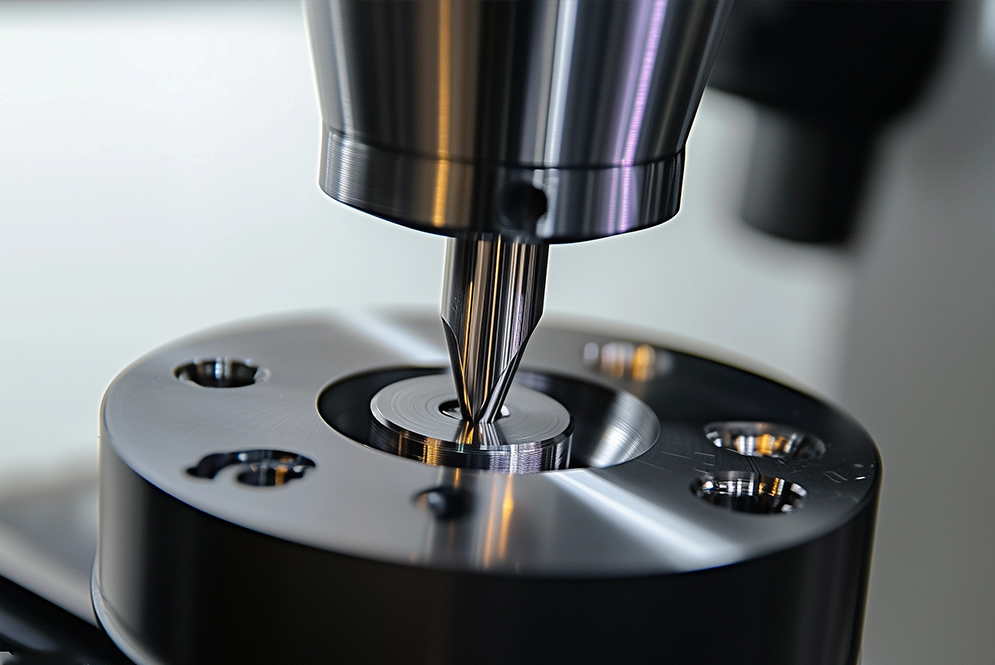
Undercutting occurs when the CNC machine fails to remove enough material to achieve the desired shape or size. This can happen due to incorrect feed rates, insufficient cutting depth, or tool wear.
● Incomplete Parts: Undercutting may leave portions of the part unfinished, rendering it unusable.
● Poor Surface Finish: The unfinished cuts may affect the surface quality, especially in applications that require a smooth finish.
● Part Distortion: Incomplete cuts can lead to part distortions when the material is stressed during subsequent operations.
To avoid undercutting, it is essential to ensure that the CNC machine's feed rate, cutting depth, and tool wear are carefully monitored and adjusted according to the material being machined.
High-speed cutting is often employed in CNC machining to enhance productivity. However, if the cutting speed exceeds the material's capacity to handle heat, it can generate excessive thermal stress.
● Thermal Damage: High cutting speeds can lead to overheating, softening, or even burning the material.
● Surface Oxidation: Heat buildup can cause oxidation, leading to poor surface finishes that affect part functionality.
● Tool Wear: High-speed cutting increases friction, causing faster wear of the cutting tool, which further contributes to poor machining quality.
For optimal results, CNC machining should employ speeds suited to the material being worked on, balancing cutting efficiency with heat management.
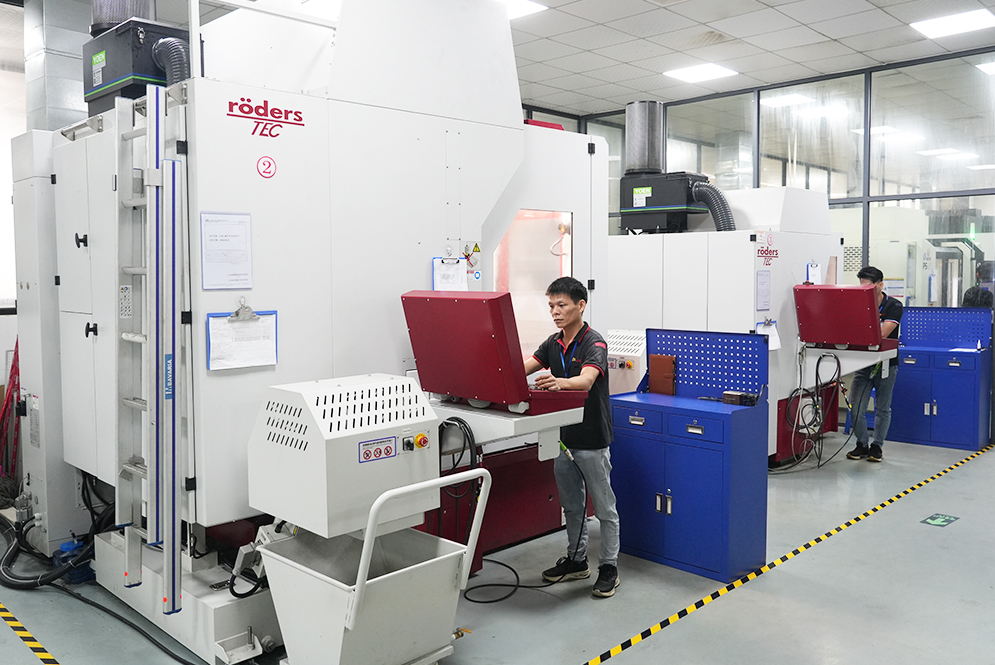
Using incorrect tool angles in CNC machining can lead to inefficient material removal and cause unnecessary damage to both the material and the tool.
● Uneven Material Removal: Improper angles can lead to uneven cuts, which may affect the shape and function of the final part.
● Surface Damage: Rough surfaces, scratches, and tool marks can appear on the part, reducing the quality of the finished product.
● Tool Chatter: Incorrect angles can contribute to tool vibration, leading to tool chatter that negatively impacts precision and part quality.
To mitigate this, it's important to use the correct tool angles for each specific material and operation, ensuring that tool wear and material damage are minimized.
Beyond cutting techniques, there are several other factors that can contribute to material damage during CNC machining. These factors must be carefully addressed to prevent subpar results.
Factor | Description | Impact on Material |
Improper Cooling | Insufficient or incorrect coolant application. | Increases friction and heat, leading to tool wear and material degradation. |
Incorrect Feed Rate | Too high or too low feed rate during cutting. | Causes poor surface finish, excess tool wear, or part distortion. |
Tool Wear | Deterioration of the cutting tool. | Leads to poor cut quality, increased roughness, and material damage. |
Material Properties | Variability in the material being machined. | Affects how well the material can withstand cutting forces, leading to damage if not properly addressed. |
Cooling is essential in CNC machining, as it helps to manage the heat generated during cutting. When the cooling system is insufficient or incorrectly applied, excessive heat can damage both the tool and the material.
● Increased Friction: Lack of proper cooling increases friction, leading to more heat and faster tool wear.
● Material Overheating: Excessive heat can cause the material to warp, oxidize, or lose its structural integrity.
● Reduced Tool Life: Inadequate cooling accelerates tool wear, increasing maintenance costs.
To optimize cooling, CNC machines should be equipped with high-pressure coolant systems that direct coolant to the cutting zone, ensuring efficient heat management.
A feed rate that is too high or too low can cause significant material damage. When the feed rate is too high, excessive cutting forces can result in rough cuts, while a low feed rate can lead to incomplete cuts or work hardening.
● Poor Surface Quality: High feed rates lead to poor surface finishes, while low feed rates cause inconsistent material removal.
● Increased Tool Wear: Inconsistent feed rates cause the tool to work harder, leading to faster wear.
● Part Distortion: Incorrect feed rates can lead to dimensional inaccuracies, affecting the final product.
To avoid these issues, carefully adjust the feed rate to match the material's hardness and the desired machining outcome.
As cutting tools wear out over time, their ability to effectively remove material diminishes. Worn-out tools can cause several issues in CNC machining, including poor cut quality and increased friction.
● Uneven Cuts: Worn tools fail to make consistent cuts, leading to surface roughness and part inconsistencies.
● Excessive Friction: As tools wear, friction increases, generating heat that can damage both the material and the tool itself.
● Dimensional Inaccuracies: Worn tools may fail to meet precise specifications, leading to faulty parts.
Regular tool inspection and maintenance are essential to ensure that tools are performing at their best and to avoid material damage.
Tip: Regular tool maintenance and monitoring are essential to ensure consistent cutting performance and avoid material damage during CNC machining.
To minimize material damage and optimize CNC machining processes, the following best practices should be implemented:
Adjusting the cutting speed, feed rate, and depth of cut according to the material type and hardness can significantly reduce the risk of material damage. Every material has specific machining parameters that should be followed for optimal results.
● Lower feed rates for harder materials to avoid excessive cutting forces.
● Use slower cutting speeds when machining heat-sensitive materials to prevent thermal damage.
● Control cutting depth to avoid overcutting or undercutting.
Using the correct coolant and applying it properly is vital for reducing heat buildup during machining. A high-pressure coolant system can help maintain temperatures within the optimal range.
● Apply coolant directly to the cutting area for effective cooling.
● Use high-quality coolants compatible with the material being machined.
● Ensure that coolant is maintained at proper pressure and flow rates for maximum cooling efficiency.
Choosing the right tools for each job is crucial for minimizing material damage. Tools must be designed specifically for the material being machined and should be inspected regularly for wear.
● Use carbide or coated tools for harder materials like titanium and stainless steel.
● Choose tools with the right geometry to ensure smooth cuts and minimize surface defects.
● Regularly inspect tools for wear and replace them when necessary.
CNC machining offers a high level of precision, but improper cutting techniques like overcutting, undercutting, and excessive cutting speed can result in material damage. Other factors like tool wear, incorrect feed rates, and improper cooling further contribute to these issues. By following best practices such as optimizing cutting parameters, ensuring proper coolant application, and selecting the right tools, manufacturers can minimize material damage and improve machining outcomes.
Dongguan Dawang Precision Mould Co., Ltd. offers expert CNC machining services, ensuring high-quality, damage-free parts through precision tools and optimized techniques tailored to each material's unique needs.


