


close
Choose Your Site
Global
Social Media
Views: 0 Author: Site Editor Publish Time: 2026-01-28 Origin: Site


Are you looking to enhance the speed of your CNC machining process without compromising precision? Faster machining means increased productivity and reduced costs.
In this article, we’ll explore top strategies that can significantly speed up your CNC operations while maintaining the quality and accuracy required for complex parts. You will discover how Dawang Precision utilizes advanced tools, automation, and cutting-edge technology to streamline machining processes.
One of the most significant bottlenecks in CNC machining is machine setup time. When switching from one part design to another, operators need to set up the machine, change tooling, and adjust parameters, which can lead to unnecessary delays. However, Dawang Precision reduces this downtime by utilizing automated machine setups, ensuring a smooth transition between jobs and increasing throughput. This automation minimizes the risk of human error and accelerates the setup process, which is crucial for high-volume production.
Solutions to speed up machine setup time include:
● Advanced fixture designs that allow for faster workpiece positioning and minimal adjustments between operations.
● Pre-programmed setups where machine settings are stored and easily recalled, cutting down on time spent making manual adjustments.
Solution | Benefit |
Automated machine setups | Reduces downtime and enhances throughput |
Advanced fixture designs | Faster workpiece positioning, minimal adjustments |
Pre-programmed setups | Quick recall of settings, reduces manual effort |
The complexity of parts being machined directly impacts CNC speed. More intricate designs often require additional tool changes, slower feed rates, and more precision during cuts. In many cases, manufacturers must balance the complexity of a part with the desire for faster production. Dawang Precision excels in managing these complexities by leveraging 5-axis CNC machines that can handle complex geometries in a single setup, reducing the need for multiple operations and machine adjustments.
Some strategies for streamlining part designs without compromising quality include:
● Simplifying geometries to reduce unnecessary features or to merge multiple features into a single cutting path.
● Optimizing cutting paths using CAM software to ensure the tool is operating at its most efficient while handling complex parts.
By carefully considering the part complexity during the design phase, CNC operations can be optimized to keep speed up without sacrificing the precision necessary for industries like aerospace or medical devices.
Finding a balance between precision and speed is crucial in CNC machining. Dawang Precision addresses this challenge by offering tight tolerance controls (as fine as 0.002mm) while maintaining high machining speeds. This capability is especially valuable in sectors such as aerospace and medical devices, where parts must meet strict accuracy requirements. By utilizing advanced CNC equipment and smart CAM programming, the company ensures that parts are manufactured quickly without compromising quality.
Strategies to balance precision with speed:
● Use of high-performance tooling that maintains accuracy even at higher feed rates.
● Constant monitoring of machine parameters such as cutting speeds and depth of cut to avoid distortion.
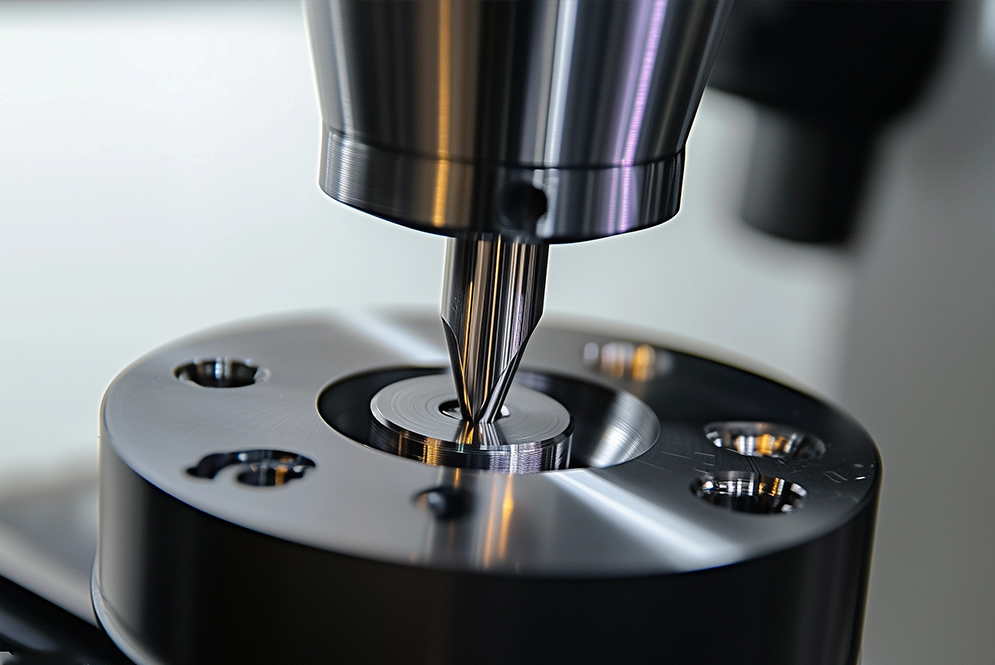
A machining plan is more than just a set of instructions; it's the roadmap for achieving faster results without sacrificing quality. Dawang Precision customizes machining plans based on the complexity of the part, the required tolerances, and the desired surface finish. By carefully choosing the right plan, they can minimize cycle times and avoid unnecessary steps, ensuring parts are machined efficiently.
When developing a machining plan, consider:
● Part size and complexity: Larger and more complex parts may require a robust machining plan to achieve fast processing.
● Tolerances and finishes: The tighter the tolerance, the more precise the plan must be to avoid rework.
● Tools and operations needed: Selecting the optimal tools and operations that will reduce setup time while ensuring high precision.
In many cases, running multiple operations simultaneously can help reduce overall machining time. Dawang Precision utilizes multi-axis CNC machines capable of conducting multiple tasks in one go. This approach minimizes setup time and helps to reduce the total cycle time, leading to faster production.
The benefits of simultaneous operations include:
● Increased throughput: By running multiple operations concurrently, you save time that would otherwise be spent waiting for each operation to finish.
● Reduced machine downtime: Machines spend less time idle between operations, increasing overall productivity.
Simultaneous Operation | Benefit |
Multi-axis CNC machines | Allows multiple operations in one go |
Reduced machine downtime | Maximizes uptime, speeding up production |
A well-organized floor management system is essential for speeding up CNC machining processes. By efficiently managing tools, workpieces, and operations, you can minimize delays. Dawang Precision integrates real-time monitoring systems into their floor management, ensuring that operations are optimized for speed and accuracy.
Benefits of a well-organized floor management system:
● Efficient tracking of workpieces and tools, ensuring they are in the right place at the right time.
● Automated scheduling and task assignments, reducing manual oversight and minimizing the chances of errors or delays.
CNC machining involves complex equipment and processes that require skilled operators. Dawang Precision places great emphasis on regular training programs, ensuring that their employees are equipped with the skills and knowledge needed to operate machines efficiently and safely. Properly trained operators can reduce setup time, increase machine uptime, and avoid errors, all of which lead to faster production.
The benefits of regular training include:
● Improved machine efficiency: Well-trained operators are faster and more confident in their work.
● Reduced errors and defects: Properly trained employees can detect issues early and avoid costly mistakes.
● Increased productivity: Operators who know how to optimize machine settings and use the equipment efficiently can speed up operations.
High-performance tooling is critical when it comes to CNC machining. Tools that are specifically designed to withstand the demanding speeds of modern machines can maintain their sharpness and performance over longer periods. The right tool material, geometry, and coating are essential to ensuring tools don't wear out quickly, allowing for faster machining without compromising quality.
At Dawang Precision, the company uses advanced high-quality tools that are selected based on the specific machining task at hand. These tools are equipped with specialized coatings like TiAlN to resist high temperatures and increase tool life, ensuring high-speed machining operations run smoothly and efficiently.
Tool Feature | Benefit |
High-performance tooling | Extended tool life, reduces frequent replacements |
TiAlN coating | Enhanced durability under high temperatures |
Optimized tool geometry | Increases cutting speed, maintains accuracy |
Choosing the right cutting fluid is essential for improving the efficiency of CNC machining. Cutting fluids help to reduce friction, control heat, and extend tool life by preventing wear. When selecting cutting fluids, it’s important to consider factors like material type, machining speed, and the specific operation being performed.
Dawang Precision optimizes cutting fluid use by selecting the appropriate fluid for each job. For example, water-based fluids are ideal for metals, while oil-based fluids may be used for wood or plastic to reduce heat and friction. These fluids not only improve machining performance but also ensure the longevity of both the tools and the machines.
Cutting Fluid Type | Material Compatibility | Benefit |
Water-based fluid | Metals (steel, aluminum, etc.) | Reduces heat, extends tool life |
Oil-based fluid | Plastics, composites | Reduces friction, prevents overheating |
High-pressure systems | All materials | Ensures optimal cooling, prevents burnishing |
Optimizing feed rates, cutting speeds, and depths of cut are all integral parts of improving CNC machining speed. By fine-tuning these parameters based on the material and part geometry, machining times can be reduced while maintaining accuracy.
Dawang Precision employs advanced CNC equipment capable of high-speed, precise cuts to handle complex parts. With their equipment, cutting parameters can be adjusted in real-time, ensuring the best performance for each specific task. This continuous adjustment helps maintain efficiency across various types of materials.
Parameter | Adjustment | Impact on Efficiency |
Feed rates | Adjust for material hardness | Faster machining without excess wear |
Cutting speeds | Optimized for each material | Improves material removal, reduces time |
Depth of cut | Increased for tougher materials | Allows deeper cuts, more efficient machining |
The frequency of tool changes and cycle time are major factors in the speed of CNC machining. Reducing the need for frequent tool changes can significantly enhance machining efficiency.
Dawang Precision uses automation systems to minimize tool changeovers, ensuring machines stay in operation and reduce downtime. The company's automated systems handle tool monitoring, changing, and resetting, making the process more efficient and minimizing manual intervention.
● Less downtime: Automating tool changes ensures the machine remains in operation.
● Increased machine utilization: Fewer tool changes lead to more continuous production.
● Improved consistency: Reduces human error, ensuring parts are produced consistently.
Automation System | Benefit |
Tool change automation | Minimizes downtime, increases throughput |
Automated monitoring | Ensures continuous, error-free operations |
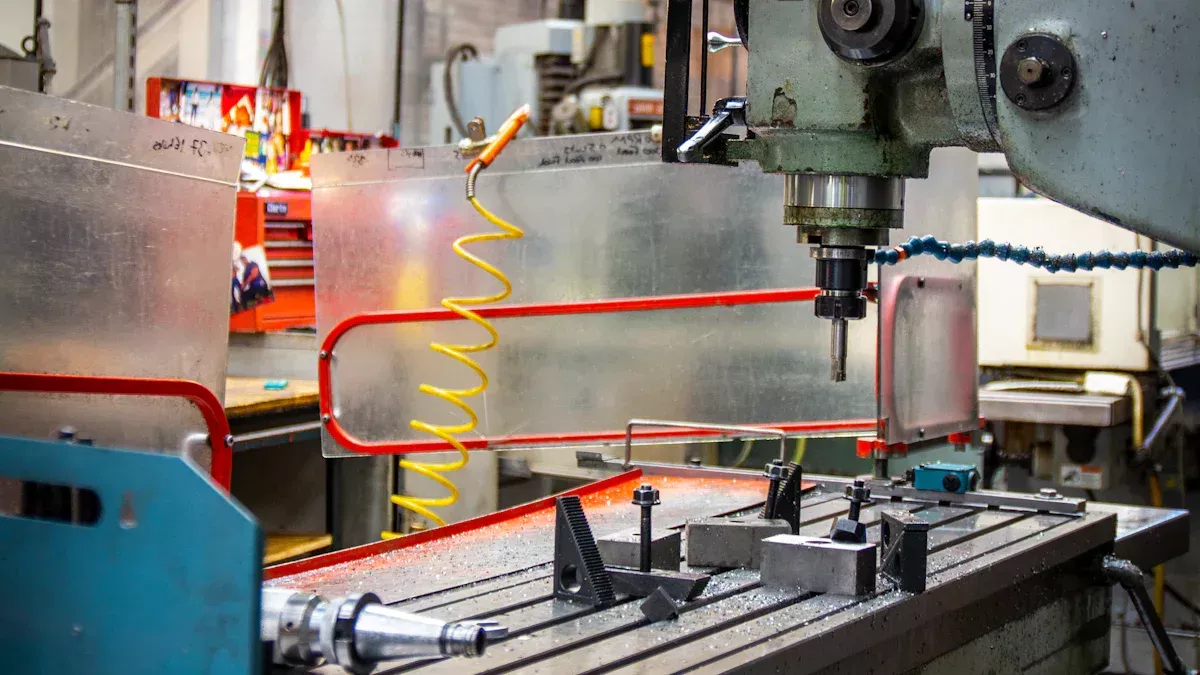
Optimized CAM programming and adaptive clearing techniques are critical to speeding up CNC machining processes. These advanced methods streamline the tool path, reduce unnecessary cutting, and maintain constant chip loads, which leads to faster machining times and better tool life.
Dawang Precision uses smart CAM programming to reduce machining time while improving accuracy. This programming method adjusts the cutting strategy in real-time to suit the material, geometry, and specific machine characteristics, enhancing the overall speed of operations.
● Reduced cutting time: Through efficient tool path and optimized movements.
● Better chip removal: Prevents tool clogs, which could lead to machine stoppages.
● Improved part quality: Consistently high-quality outputs due to precise tool control.
CAM Feature | Benefit |
Optimized tool path | Reduces machining time, improves efficiency |
Adaptive clearing techniques | Maintains chip load, avoids tool breakage |
Automation and real-time monitoring systems are becoming essential in high-speed CNC machining. These systems enable faster setups, monitor the machining process continuously, and ensure quality control during production.
Dawang Precision integrates real-time monitoring systems that track tool wear, cutting conditions, and machine parameters, preventing errors and ensuring optimal machining conditions. The use of automation for part handling and tool changes also speeds up operations and reduces human error.
● Predictive maintenance: Identifies potential tool wear or machine issues before they cause downtime.
● Increased reliability: Automation ensures consistency in quality and speed across all parts.
● Improved throughput: Real-time adjustments and monitoring ensure machines operate at peak performance without interruption.
Maintaining high-speed precision in CNC machining requires a machine that can handle demanding operations without compromising on stability. Machine rigidity and spindle stability play a crucial role in ensuring that high-speed operations do not lead to vibrations or inaccuracies. The more rigid the machine, the less likely it is to experience tool deflection, resulting in cleaner cuts and faster processing.
Dawang Precision ensures their machines are equipped with thermally stable spindles and rigid machine structures. These features reduce vibrations and thermal distortions, which can otherwise affect precision at high speeds. The stability of the machine directly influences the ability to produce parts quickly while maintaining the required level of quality.
● Prevents tool deflection: Ensures the tool maintains its position during high-speed cutting.
● Enhances surface finish: Rigidity improves the quality of the cut, minimizing the need for rework.
● Supports high-speed operations: More stable machines can maintain speed without sacrificing accuracy.
Efficient toolpaths are key to improving the speed of CNC machining. Streamlining the path that the tool takes during machining helps reduce idle time and optimizes the cutting process. With well-optimized toolpaths, the tool can maintain a steady chip load, preventing tool wear and allowing faster feed rates without compromising part quality.
Dawang Precision uses advanced techniques to optimize tool paths, ensuring the tool moves efficiently through complex geometries. By minimizing unnecessary movements and reducing rework, the company significantly enhances machining throughput. Their approach ensures that the machine runs at its optimal speed, reducing cycle times and improving overall productivity.
● Minimize air cuts: Reduce the amount of time the tool spends moving through air instead of cutting material.
● Maintain consistent chip load: Ensure the tool maintains constant pressure for better efficiency and tool life.
● Optimize tool entry and exit points: Plan the tool’s path to reduce unnecessary changes in direction, saving time.
Maximizing machine utilization is critical for maintaining high productivity in CNC machining. The more efficiently machines are used, the faster parts can be produced. Dawang Precision maximizes machine usage by utilizing 5-axis CNC machines, which not only reduce the need for manual setups but also improve the accuracy of cuts. This leads to a reduction in idle machine time and enhances the overall throughput of the operation.
By keeping machines running at full capacity, Dawang ensures that production flows smoothly and quickly, reducing the time needed for each part while maintaining quality.
● Reduced setup times: Fewer machine changes lead to quicker production.
● Increased production speed: Machines that run at full capacity produce more parts in less time.
● Improved accuracy: 5-axis machines reduce the chance of errors during setups.
The key to consistently speeding up CNC machining processes lies in continuous improvement. Dawang Precision embraces this approach by regularly evaluating and adjusting their operations to identify areas where time can be saved without sacrificing quality. Continuous process improvement involves reviewing machining techniques, evaluating new technologies, and finding ways to optimize workflows.
Real-time monitoring systems play a significant role in Dawang’s commitment to process improvement. By constantly tracking parameters such as tool wear, machine performance, and operational efficiency, the company can make data-driven decisions to further enhance machining speed.
● Monitor performance: Use real-time data to identify inefficiencies and areas for improvement.
● Upgrade equipment: Regularly assess the latest CNC technologies to stay competitive and maintain speed.
● Adjust workflows: Streamline tasks to eliminate bottlenecks and reduce production time.
In this article, we explored the best techniques to accelerate CNC machining processes. Dongguan Dawang Precision Mould Co., Ltd., known for its advanced machining methods, utilizes automation, high-quality tools, and optimized CAM programming to improve efficiency. By minimizing setup times, simplifying designs, and maximizing machine usage, Dawang ensures faster production without compromising on precision. These strategies provide exceptional value to industries that require high-precision components, such as aerospace and medical device manufacturing.
A: CNC machining is a manufacturing process that uses computer-controlled machines to create parts with high precision from various materials. It is widely used in industries like aerospace, automotive, and medical.
A: To speed up CNC machining, focus on optimizing tool paths, using high-quality tools, minimizing setup time, and automating processes. These methods improve efficiency without sacrificing precision.
A: Machine rigidity is crucial for maintaining precision at high speeds. It helps reduce vibrations and tool deflection, allowing for faster machining without compromising part accuracy.
A: Cutting fluids reduce friction and heat, preventing tool wear and improving machining efficiency. Choosing the right fluid for the material ensures smoother operations and extends tool life.
A: Automation reduces manual intervention, streamlining tool changes, part handling, and monitoring. This enhances overall machining speed and consistency, allowing for quicker turnaround times.


