


close
Choose Your Site
Global
Social Media
Views: 0 Author: Site Editor Publish Time: 2026-01-26 Origin: Site


In the competitive world of manufacturing, choosing the right CNC Machining provider is crucial. But how do you decide which company is best suited for your needs? In this article, we’ll explore key factors to consider when selecting a precision machining services provider. From equipment capabilities to customer support, you’ll learn how to evaluate CNC machining providers and find one that fits your project requirements.
CNC machining refers to the use of computer-controlled machines to create parts with exceptional precision and accuracy. This process allows manufacturers to produce complex geometries and tight tolerances that would be difficult or impossible to achieve with manual machining. CNC (Computer Numerical Control) technology translates digital designs into physical components by controlling the movement of tools and materials. This level of automation improves efficiency and ensures high-quality results across various industries.
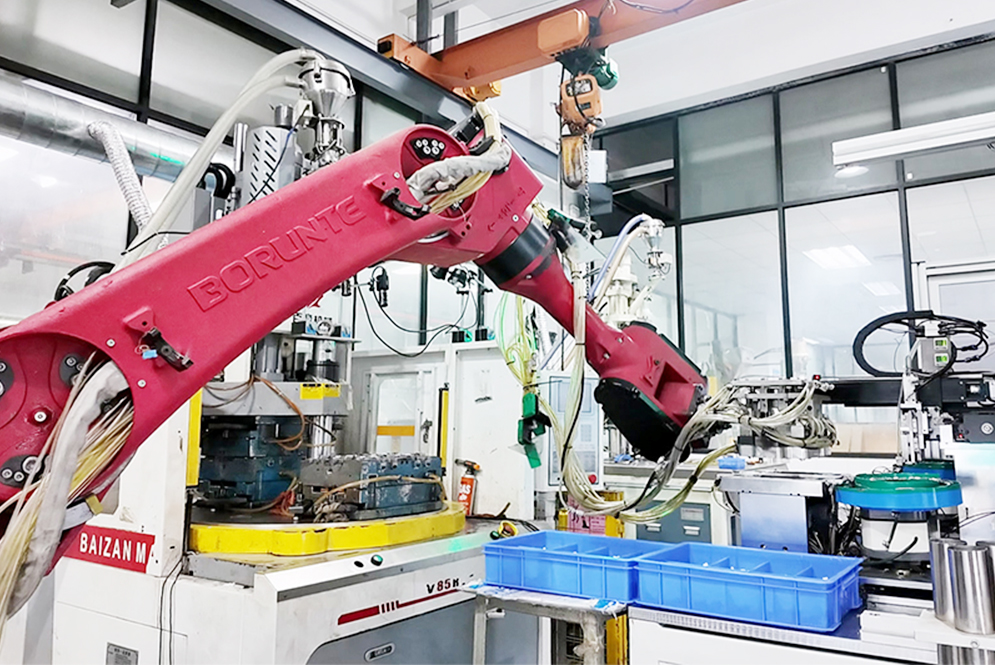
CNC machining is supported by various advanced technologies that allow for precise control of the manufacturing process. Some of the key technologies include:
● Multi-axis CNC machines: These machines can move the tool or part along multiple axes simultaneously, enabling the machining of intricate shapes and complex angles with high accuracy.
● CNC Milling: A versatile process used to cut and shape materials by rotating a cutting tool against the workpiece. It is ideal for creating complex parts with flat surfaces or slots.
● CNC Turning: This involves rotating the workpiece while a cutting tool shapes it, typically used for cylindrical components.
● Wire EDM (Electrical Discharge Machining): A process that uses electrical sparks to erode material, allowing for precise cutting of very hard metals.
● Laser Cutting: A technology that uses a laser to cut materials, providing high precision and clean edges, often used for intricate patterns.
The combination of these techniques provides flexibility in manufacturing a wide range of parts, from simple components to highly intricate designs. These capabilities are essential in industries where precision and accuracy are critical.
CNC machining plays a vital role in industries that demand high-quality and precise components. Some of the most notable applications include:
● Aerospace: Components in this sector require stringent tolerances to meet the high-performance standards necessary for aircraft and space exploration.
● Automotive: CNC machining produces engine parts, transmission components, and other critical automotive elements that must withstand high levels of stress and wear.
● Medical Devices: From surgical instruments to implants, CNC machining ensures that medical devices meet exact specifications to guarantee safety and reliability.
● Electronics: CNC machining creates intricate parts for devices such as smartphones, computers, and communication equipment, where miniaturization and precision are essential.
When choosing a precision machining provider, it’s essential to assess the equipment and capabilities they offer. Advanced technology not only affects the quality of the output but also impacts the efficiency of the production process. A provider with up-to-date equipment can produce more complex parts, faster and with greater accuracy.
A key consideration when selecting a CNC machining service provider is whether they use the latest equipment. 5-axis CNC machines, for instance, are critical for creating complex geometries with tight tolerances. These machines can manipulate the tool in multiple directions at once, allowing for high-precision work on intricate designs.
Advanced machinery enables faster turnaround times and reduces the likelihood of errors. The use of multi-axis technology also expands the range of parts that can be machined, offering flexibility for both simple and highly complex components. For example, if your project requires the production of intricate aerospace components or high-tolerance medical devices, a provider with advanced equipment will be able to deliver superior results.
A CNC machining provider should offer a broad range of services to meet the diverse needs of different industries. This includes capabilities in:
● CNC Milling: Ideal for producing complex parts with multiple features, such as pockets, slots, and contours.
● CNC Turning: Used for cylindrical parts where the material is rotated, and a tool is applied to the workpiece to create various shapes and sizes.
● Wire EDM: Suitable for cutting delicate or hard materials to create high-precision parts.
● Laser Cutting: Often used for fine, intricate cuts in thin materials.
The ability to handle all these methods allows a provider to take on various projects, from prototypes to full-scale production.
Dawang Precision, with over 300 CNC machines, specializes in high-precision manufacturing and handles complex projects with micron-level accuracy. Their state-of-the-art facility allows them to provide services across industries such as aerospace, automotive, and medical devices. The company’s use of advanced CNC machinery ensures that they can meet stringent requirements for parts that demand extreme precision, reducing production time and ensuring superior quality in every project.
CNC Technology | Capabilities | Industries Served |
5-axis CNC Milling | Complex geometries and tight tolerances | Aerospace, Automotive, Medical |
CNC Turning | Cylindrical parts, multiple diameters | Automotive, Electronics |
Wire EDM | Cutting of hard metals, intricate designs | Aerospace, Medical, Robotics |
Laser Cutting | Intricate cuts, clean edges | Automotive, Electronics, Consumer Goods |
This table shows how Dawang Precision utilizes a variety of technologies to support diverse industries, ensuring precision and high-quality manufacturing every time.
When selecting a CNC machining provider, understanding their experience and past work is critical to ensuring they can meet your project's requirements. A provider with a diverse portfolio demonstrates their ability to adapt to various industries and handle complex projects. For example, companies specializing in aerospace, automotive, and medical devices require different types of expertise, such as precision tolerances, material requirements, and production methods. Reviewing the provider's portfolio gives you confidence that they can meet the unique needs of your project.
For instance, if a company has experience working with aerospace components, they would likely have the necessary skills and equipment to handle high-precision parts that require tight tolerances and special materials. Companies with extensive portfolios in robotics or consumer electronics may also have the flexibility to handle more intricate designs and high-volume production runs.
Understanding the types of projects a provider has handled is essential in determining whether they are a suitable match for your needs. CNC machining providers often specialize in specific types of projects, such as:
● Complex, high-tolerance parts: These are often required in industries like aerospace and medical devices, where even minor deviations in measurements can lead to significant issues.
● Large-scale production runs: Some providers focus on mass production, offering efficiency and cost-effectiveness for high-volume orders.
● Prototype and small-batch production: If your project requires prototypes or small batch production, finding a provider with experience in rapid prototyping and low-volume manufacturing is crucial.
Selecting a provider who has demonstrated their ability to deliver across these areas ensures that they can handle the unique challenges your project might present.
Dawang Precision has a robust portfolio that includes industries like consumer electronics, robotics, and medical devices. With extensive experience in precision parts manufacturing, Dawang is equipped to handle both complex prototypes and large-scale production. Their adaptability across various sectors ensures they can meet the demands of projects requiring high-precision components for industries that rely on quality and innovation.
Certifications are a clear indicator of a company’s commitment to maintaining high-quality standards in their CNC machining processes. ISO9001, IATF16949, and ISO13485 are widely recognized certifications that reflect adherence to rigorous quality management standards. These certifications assure customers that the company follows strict processes to ensure consistency, quality, and reliability in every project.
● ISO9001 ensures the company has a quality management system in place, focusing on customer satisfaction, continual improvement, and consistent product quality.
● IATF16949 is crucial for companies serving the automotive industry, focusing on defect prevention and the continuous improvement of the manufacturing process.
● ISO13485 is particularly important for medical devices, ensuring that the company adheres to regulatory standards for safety and quality in medical manufacturing.
In addition to certifications, robust quality control (QC) systems are vital to maintaining high standards throughout the production process. A CNC machining provider must employ advanced inspection techniques and quality control measures to verify the accuracy and consistency of each part. These include:
● In-process monitoring: Ensuring that parts are checked during production to prevent errors before they become problems.
● Final inspection: After the part is manufactured, additional inspection tools like CMM (Coordinate Measuring Machines) or laser scanning can be used to verify the part’s specifications.
● Documented testing: Detailed reports and measurements ensure traceability, particularly for highly regulated industries such as medical and aerospace.
Dawang Precision holds ISO9001 and IATF16949 certifications, demonstrating their adherence to high-quality standards in their machining services. These certifications assure customers of their commitment to precision manufacturing across industries such as automotive, aerospace, and medical devices. Dawang’s quality control systems ensure that each part meets the required tolerances, with inspections conducted at various stages of production to maintain consistency and reliability.
Lead time is an essential factor when selecting a CNC machining provider, especially if your project has specific deadlines or production schedules. Understanding how much work the provider can handle at once and the time it will take to complete your project ensures that there are no delays or surprises down the line. Be sure to ask about their production capacity and whether they can meet your volume requirements.
If your project is time-sensitive, find out if the provider can offer quick turnarounds, such as rapid prototyping or expedited manufacturing services. Providers with flexible timelines can be an invaluable asset when tight deadlines are crucial to project success.
Knowing the lead time for your project is essential for planning. A provider should offer clear timelines based on their current workload and production schedule. Some CNC machining providers may advertise typical lead times on their websites, but it’s best to verify this with a conversation to ensure they can meet your specific needs.
Dawang Precision offers a rapid prototype turnaround in just 5–7 days, ensuring that customers can get early-stage components quickly, even for complex projects. This quick turnaround is particularly valuable for companies needing prototypes to test designs or for industries where time-to-market is a key factor. With over 21,600 m² of manufacturing space and 300 CNC machines, Dawang is fully equipped to handle both small-batch orders and large-volume production runs efficiently, meeting both short and long-term project requirements.
Provider | Capacity | Lead Time | Industries Served |
Dawang Precision | 300 CNC machines, large-scale production capacity | Rapid prototyping in 5-7 days | Aerospace, Automotive, Medical, Consumer Electronics |
Competitor A | 100 CNC machines, limited capacity for large projects | 3-4 weeks for large orders | Automotive, Robotics |
When selecting a CNC machining provider, pricing is a critical factor, but it should not be the sole determinant. While every business must manage costs, it’s essential to ensure that the provider’s pricing aligns with the quality and capabilities they offer. Lower pricing may sometimes compromise the precision, material quality, or service level, which could negatively affect your project. Conversely, a higher price tag often reflects better equipment, more experienced operators, and a greater ability to meet stringent specifications.
● Quality Materials: Ensure the provider uses high-quality materials suited to your needs, as this directly impacts the end product’s durability and performance.
● Technological Capabilities: Price should reflect the advanced technologies and equipment available for your project. CNC providers with cutting-edge machinery, like 5-axis milling, will usually have higher costs but also deliver superior results.
● Additional Costs: Don’t forget to consider any hidden or additional costs, such as shipping fees, custom tooling, or design modifications.
Understanding the full cost breakdown helps to avoid any surprises and ensures you are getting value for money. The main components to consider include:
● Project Scope: The complexity of your project, including the number of parts, their size, and level of precision required.
● Material Costs: High-quality materials may come at a higher cost, but they provide long-term reliability, especially in industries like aerospace or medical devices.
● Additional Services: Some providers offer value-added services such as design consultation, prototyping, or assembly, which can reduce the need for multiple suppliers.
By evaluating the full cost breakdown, you can determine if the pricing aligns with the scope and quality of work you expect.
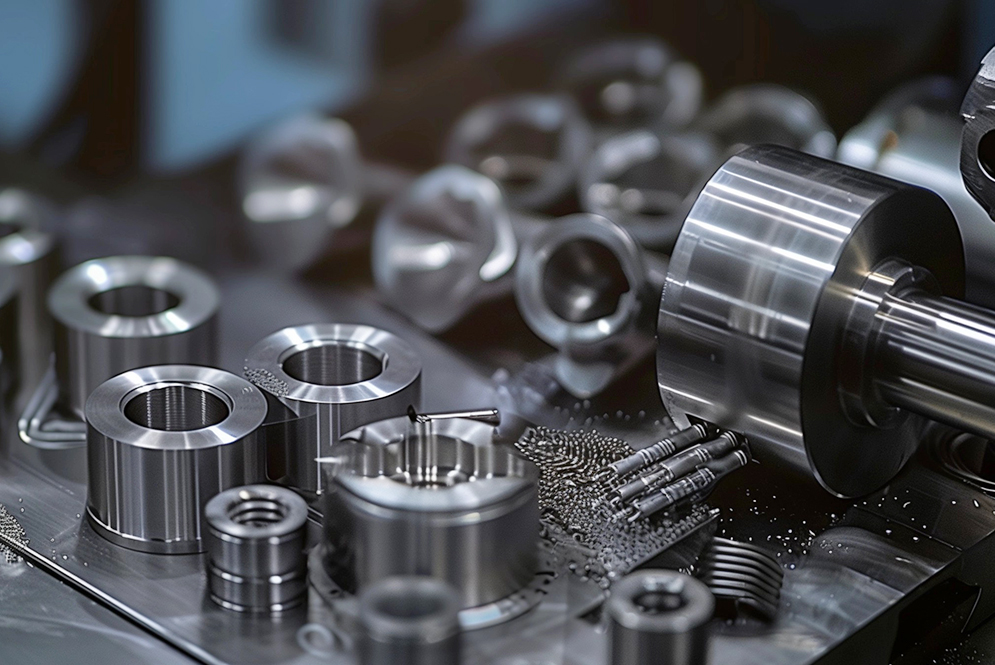
Dawang Precision maintains competitive pricing while ensuring high-quality machining services. They specialize in high-tolerance control, with capabilities as fine as 0.002 mm, which is critical for industries like aerospace and medical devices. Their precise manufacturing process ensures that you receive the best value without compromising on quality. Below is an example of the typical cost breakdown in CNC machining:
Cost Component | Description |
Project Scope | Complexity of parts, size, and precision requirements |
Material Costs | High-quality materials suitable for your industry needs |
Labor and Equipment | Charges for machinery use and skilled labor |
Additional Services | Design, prototyping, or assembly costs |
When choosing a CNC machining provider, consider the additional services they offer. Some providers go beyond simple machining to deliver complete end-to-end solutions. These services can help streamline your production process, reducing the need to work with multiple vendors, which saves time and resources. Common value-added services include:
● Prototyping: Rapid prototyping allows you to test your designs before full production, ensuring that you can identify and fix issues early.
● Tooling and Fixture Design: Custom tooling ensures precision and repeatability in high-volume production runs.
● Assembly: Some providers also offer assembly services, so you can receive your parts fully ready for use in your final product.
Dawang Precision offers comprehensive full-service capabilities, from tooling and fixture design to metal 3D printing. This wide range of services ensures that your parts are manufactured, tested, and assembled under one roof, improving efficiency and reducing the complexity of managing multiple suppliers. Here are some of the value-added services they offer:
Service | Description |
Tooling & Fixture Design | Custom design solutions for high-precision machining |
Metal 3D Printing | Rapid prototyping and complex part production |
Prototyping & Assembly | End-to-end solutions from initial design to final assembly |
These value-added services help Dawang Precision support industries like aerospace, medical devices, and consumer electronics while delivering faster turnaround times and superior quality.
When selecting a CNC Machining provider, it’s vital to consider factors like cost, experience, and services offered. Dongguan Dawang Precision Mould Co., Ltd. stands out with its advanced equipment and expertise in industries such as aerospace, automotive, and medical devices. Their high-quality machining services, rapid prototype turnaround, and global support ensure that clients receive precise, reliable solutions.
A: CNC Machining uses computer-controlled machines to create parts with high precision. It allows for intricate designs and tight tolerances across various industries, including aerospace, automotive, and medical devices.
A: A provider's experience ensures they can handle complex projects and meet industry standards. Experienced companies have the skills and tools necessary to deliver precise, high-quality parts.
A: When evaluating CNC Machining costs, consider the scope of your project, the materials used, and any additional services. A good provider should offer competitive pricing without compromising on quality.
A: Look for providers who offer end-to-end services, such as prototyping, design assistance, and assembly, to streamline the production process and reduce lead times.
A: Ensure the provider holds certifications such as ISO 9001 and IATF 16949, as these demonstrate their commitment to quality, precision, and adherence to industry standards.


